
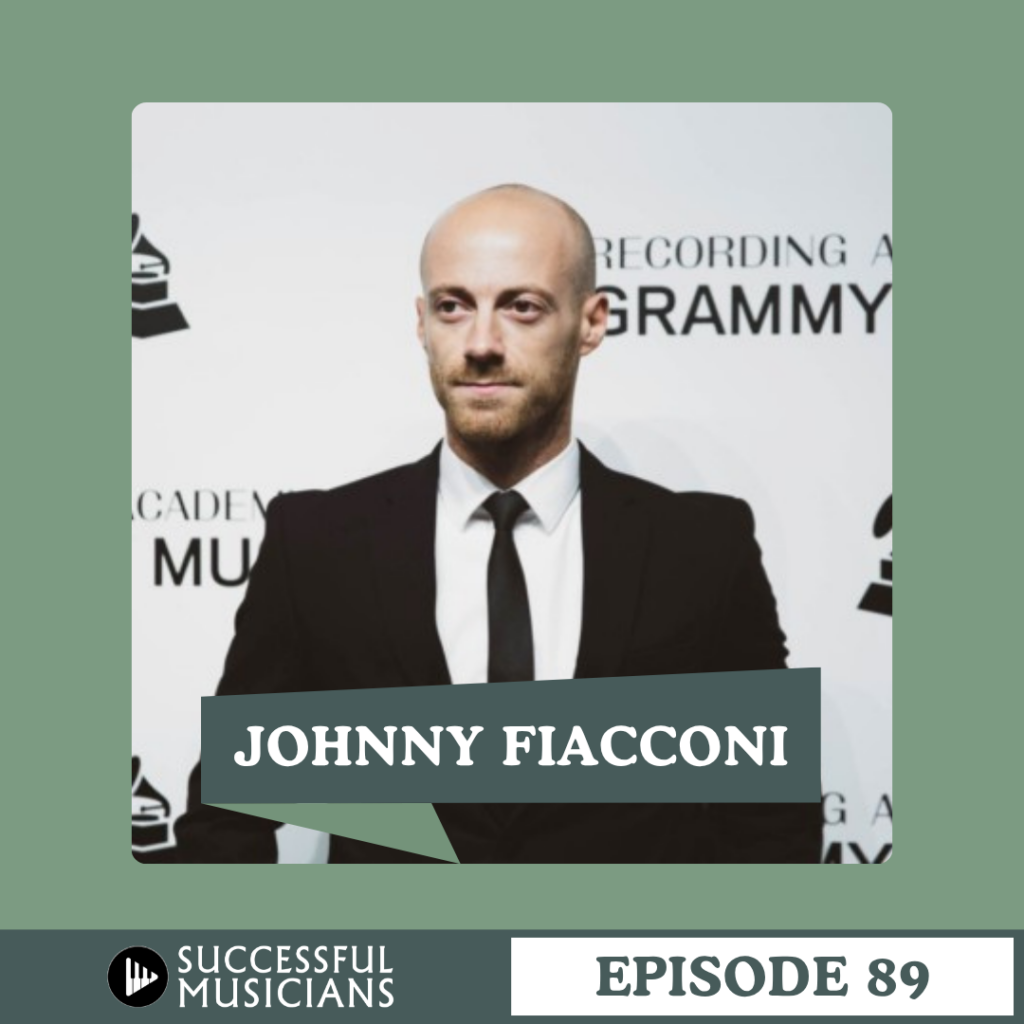
Host: Jason Tonioli
Guest: Johnny Fiacconi (The Dreamboats)
Produced by: The Successful Musician Podcast
Jason Tonioli: Welcome to the podcast. Today my name is Jason Tonioli and I have Johnny from The Dreamboats with me. Johnny has an incredible story to share. We’re gonna get into some of that. But just to do a quick introduction, if you were to do this Johnny is one of the founding members of The Dreamboats, which is kind of a cover band. I know you’ve done some of your stuff on your own too, down the but really the cover band of the 50s and 60s music. So as I’ve done a little bit of research on you guys, Johnny.
Johnny: Yeah. Yes. That thing you do. Yeah.
Jason Tonioli: I mean it’s it I kinda it’s if you took the Beatles and then inserted you into like a movie it was from like the nineties when I graduated high school. I think Tom I think Tom Hanks was in it where they like to find this band and they’re like check this guy that thing you do, yeah, that’s it. anyway, that’s kind of the flavor I got. And you’ve got so it’s a bunch of Canadian guys and I think you probably got a couple of US guys, but you guys have for the past sixteen years have been touring all over the country performing, you know, covers of all these awesome songs from the fifties and sixties. And I think what’s interesting to me, and I’d I’d love to share kind of how you got here is a lot of people think, man, I want to be a musician and I’m gonna go gig and I want to go on tour and, you know, they think of Taylor Swift and all the millions of that come with this. But the reality is there’s a lot of layers to that. And it’s hard to be that gig gigging musician. I’d I’d love to kind of share your story of how you got to where you’re at, but you guys are
Jason Tonioli: like crazy busy doing shows all over the country, which is amazing. Like congratulations for that. That’s not normal to see somebody stick with it for 16 years and still be doing great.
Johnny: Thanks, I appreciate it Jason. First of all, thanks for having me on the show. Yeah, know, we’ve been, like people are always like, when are you going on tour next? I’m like, we are just perpetually on tour. We’re always playing all over the place. And yeah, we’ve been doing it for a long time. You know, we started in Mississauga, Canada, which is right next to Toronto. And you know, it’s taken us, we’ve performed shows, people have resonated with what. we do because it’s all 50s and 60s. So naturally, we attract a lot of the baby boomers, the people who actually grew up with these songs. But like you said, there’s certain little chunks of age demographics that also grew up with this music as well. Like myself, for example, I was born in 1987 and we grew up with all sorts of movies like Back to the Future and That Thing You Do and La Bamba. There was like a 90s nostalgia that brought back all this music. So it’s like Yeah, we all grew up with these tunes too, you know, and we found that people our age also know these songs as well. And now you’re getting the next generation who are discovering rockabilly culture and hot rods and especially out in LA, you got the lowrider culture, people like the oldies. So we realized this is timeless music. And I think that mixed with the energy that we bring to the show just is kind of the recipe for this. The reason that we’ve kept growing all of these years, you know, it’s we’re trying to keep the essence of this music alive, not only the music, but the performance. We’re trying to be over the top, you know, and I think that’s what you need to answer your question. I think that’s what you need. You need a formula that’s going to work, that’s going to allow you to continue to grow. It’s not just like, let’s start a band and people are going to come out. It’s like that is definitely not the case, you know.
Jason Tonioli: Well and I think if you go back to the fifties and sixties like just that era when the Beatles and I mean the fifties and sixties, you can’t help but be happy when you hear that type of music. I mean, I don’t care what age you are. It’s just there’s something special about the raw music that comes out and like the live band flavor that’s there and you know you said you were born in the late eighties. You know, our parents were listening to that music and I’m sure we grew. I know I grew up hearing a lot of those great songs played on records and cassette tapes for those that remember cassette tapes in the car. I think there’s almost a nostalgia factor for our group as well because it reminds us probably of times riding in the car with our parents.
Johnny: Exactly. That’s exactly it. I remember just my parents were always listening to the oldies station and so much so that I was embarrassed. You know, I’d pick up my friends and it was all like Buddy Holly and like Everly Brothers and I was just like, can we lower this? And then you realize years later like, this is like great music. You know, so…
Jason Tonioli: Okay.
Jason Tonioli: Well that And then you kind of had that lull in the seven. I mean, there’s good music, but then I mean you had that classic rock, and then you know, the 80s were great, but it was just totally different flavor. I think what I love about your kind of time period is there were such good hooks in a lot of the music. And I look at, I mean, I graduated in 1997 from high school, and there were some where all the punk rock stuff came, but there was some specific types of music. I mean, I think of Metallica, Weezer is one that stands out to me where you just had these amazing.
Johnny: Heh.
Jason Tonioli: amazing kind of meshing of these great melodic hooks that were memorable but kind of drew from that past but were made new as well from the nineties, right?
Johnny: Totally. And I think people still keep coming back to the 50s and 60s music because essentially it’s the bedrock. It’s bedrock, it’s the foundation of modern music. So you can listen to anyone from there and you’re picking out things that still exist in music today, whether it’s a beat or rhythm or a hook or a vocal melody, especially if they get recycled over the years. But the foundation is in the music that we play. And I think that’s why it really resonates. That’s why we have fun. playing it. It’s just, it’s a cool vibe to shamelessly get into. People come to our shows, especially the younger people, they like dressing up. You got the girls wearing a polka dot dress or some of the guys are wearing a nice blazer. Like I said, it’s an excuse to transport yourself to this golden age of music. That’s what we’re trying to create at our shows. Even like you said, it’s not only we’re playing the music, but The people back in the day were showmen. Like you had a guy like Elvis, like he was shaking his hips. The Beatles were charming and cracking jokes. you know, so we really, not only do we try and do that, but we try to fuel inject and we try to add like steroids to that and really make it over the top. We’re doing handstands and the splits and synchronized moves. It’s almost, we’re drenched, you know, by the end of the show. And I feel like we wanna keep that aspect alive, especially in an age where things are changing. You got AI coming in and things are scary. But the one thing you can’t take away is the live performance and the more raw and real it is, I think the more people are gonna connect with it. That’s what we strive for at a dreamboat show.
Jason Tonioli: Yeah. Well it’s it’s it’s interesting. I’ll love that you guys are j literally touring all over the place. I just came off. I own a travel agency and along with the music, but every time I’m on a cruise ship there’s always these kinds of cover bands. You know, doing the Beatles or doing what they’re like when I was on a Norwegian ship, you had Frankie Valley in the four seasons. They actually did the Broadway show of that, which was incredible, like jaw dropping, amazing. And you just like you actually see the stories behind some of these performers that came through that era. And I mean it’s just so interesting to me to see how there’s just this. I mean, if the cruise ships are doing this week in and week out and it’s you know, they’re full house, you’re not even gonna get in the door because it’s packed. You know there’s there’s people
Jason Tonioli: I wanted to hear this type of music.
Johnny: Of course, it’s funny, I actually did a video talking about how the cover band is in right now. Not that it’s ever left, but I feel like now more than ever, you have so many cover bands that are coming out playing covers. They’re cover bands, but they’re essentially like original bands. They just don’t happen to be playing original music. So you have bands. For example, there’s a band in LA called Yachtly Crew, and they’re a yacht rock band. And me and Richie, our singer, we went to do some reconnaissance, a little mission to go see their show. People are showing up, they’re wearing the yacht rock, the captain’s hats and the jackets and their merch table was packed. It looked like an original band, but they’re doing curated covers in their style. And people are proud to be fans of Yachtly Crew. They’re showing up. And I think for a long time, you didn’t get that with cover bands. Cover bands had a weird stigma. But now people are going very niche into different genres. And you have cover bands that are just ultra laser focused. And people like that and you can align with that. I think cover bands are cool now. Like you don’t have cheesy sandals cover bands. You know what I mean? You’ve got people who are taking it seriously as we are. People who genuinely love the music they’re playing as we do. And I think that’s really translating to people. People can get behind their favorite cover band and they’re proud of that, you know. I like it, do you agree? What are your thoughts? I mean, you’re going on cruises, you’re seeing things.
Jason Tonioli: I think it’s just fun. It’s fun when I’ve, especially when we take my kids on these things and they get to hear it and they’re enjoying it. I’ve got some friends that just live probably thirty, forty minutes from me for a long time. Very talented musicians, but just kind of had that garage band and they were just old guys essentially playing music because they like to. And all of a sudden, in the last few years they’ve blown up. Like they’ve they’re kind of like you where they’re tr they’re taking their group touring. So they loved the group bread. And so they started playing bread songs all the time and their name is Toast. So I mean it’s it and they are booking shows left and right and they’re filling and people who love bread, the band, you know, they want to go hear toast.
Johnny: Well, that’s the thing too, Jason, is there an interesting concept I think about a lot is people doing covers, once these artists, especially like 50s and 60s, for example, who’s gonna keep these songs alive once the original artists have passed away? It would be crazy to think that you should never play those songs again. So that’s where the cover band, the tribute acts come in. And I think people who are kind of doing it justice, it’s like. Why wouldn’t you want to go see something? It’s like, if I want to go see, I like Kraftwerk. I guess Kraftwerk still performs. imagine there was a band like, dude, I’m going to go check these guys out. Or like the Chili Peppers after, you know, in 30 years, are people going to want to experience that music live and done well? Like, I think so. I would. And so I think there’s a void to be filled here, especially as these artists are getting older, but people still love the music. It’s like, Who’s gonna be playing these songs? Well, you got tribute acts who play better than the original artists, you know?
Jason Tonioli: Well, look at Journey. I mean they’ve I think their new singer’s better than their old singer. A little bit.
Johnny: You could argue, I mean, you’re getting into a deeper topic here where I feel like bands should have a second generation of the band. Why can’t a band keep going on? Why couldn’t the original members actually pass the torch to someone new? Why couldn’t they start creating new music under a new lineup? I mean, that’s an interesting topic, but I think about that a lot. I remember once, Jason, a quick story is that myself and the lead singer of our band, Richie, got an opportunity to play with the Wiggles. You know, there’s a children’s group called the Wiggles from Australia. And Anthony, the original member, likes our band, okay? So we happen to be in Toronto the same day that they’re playing and he’s like, do you guys wanna come on stage? And I’m like, all right, I’ll go on stage. And we got to perform with the Wiggles and I saw how the operation ran. Anthony is the original guy, but now his daughter is in the band. They’ve got John, like the younger guy, the buff guy. They’ve got this new generation. of Wiggles and it’s like the legacy will continue and I’m like why can’t that be other bands? I want The Dreamboats to live on forever. You know?
Jason Tonioli: Well and it’s interesting. So about ten years ago I had the chance to have some of the original singers of the group Celtic Woman. It’s a group from Ireland that you know, fifteen years ago they were on PBS specials dancing. You probably saw on your PBS station in these big poofy dresses. They’re, you know
Jason Tonioli: Beautiful girls, beautiful voices singing with a full orchestra. And I had a chance to do an album with them, but you know, 15, 20 years go by and you know, one had a baby, others did other things, one was singing for River Dance, and they’ve continued to add new members to the group. And it’s been very cool to watch that evolution where, you know, the torch was handed off, you know, they had a violinist that danced around on stage and they’ve handed it off to a new gal now. And you know, the gal that left, she’s you know, most of them are having very successful careers as solo vocalists going around and doing covers. But it is interesting to see that model. And if you’ve got the right team for business behind that group, I think that can be a very successful business model. Yet I love the greatest showman. I you’ve seen that movie with PT Barnum, you know the story with
Johnny: Haven’t seen it. No. No.
Jason Tonioli: You haven’t seen okay. If anybody is listening, if you have not seen The Greatest Showman, you need to go watch that show. Not all of them are exactly true and they take liberty with it. But the whole one of the things that happens, that it’s a true story with PT Barnum is he had this gal from Europe that was like I think she’s like the songbird of anyway, she’s a famous singer in Europe and he broke but Barnum was a showman, right? He would, you know, make stories up to basically get people to come to his museum. You know, so he’d like had a monkey that they got and they sewed a
Johnny: Okay.
Jason Tonioli: You know, fishtail on this thing, and got all the reporters, got one reporter to come in or scientist to say this was a mermaid, and you know, all of a sudden all the news stories are gonna cover it across the country. Like he was like the main the first guy that figured out how to make stuff go viral. But he had this singer in Europe that he’s gonna bring her over and we’re gonna do these shows. He really so he’s gonna pay tons of money to bring her over to the US, but then he had this realization nobody knows who she is. So he hired a bunch of reporters, stuck them on the boat with her, and they wired all these stories to base.
Jason Tonioli: Basically, get a feeding frenzy going in the news media about this famous you know singer from Europe that was gonna come to the US and sing. And like, but it was this frenzy with the PR and the news around that. Kind of today we’ve got the social media going viral. And when she with the boat arrived, they had th you know thousands of people at the boat dock waving at her to just get a glimpse of this, you know, famous singer. And she was a big deal in Europe, but nothing like what Barnum had created. And they did shows all over the
Johnny: Thanks. Sure.
Jason Tonioli: She decided she wanted to do her own thing eventually without him. And all of a sudden hardly anybody was coming to the shows. I mean, she was successful at doing shows, but she ended up going back to Europe to sing because she couldn’t fill a show without the engine behind it to tell that story. And I think that’s one one thing is I look at a lot of artists.
Jason Tonioli: we’re very good at the performing or the musicianship or, you know, some of that creative brain. But the business side I think is almost one of those things that musicians you know, some people I think Are proud that they don’t do b I don’t do business. I just play my music. And it’s like, okay, that’s great, but you’re never gonna reach, you know, and an impact and help maybe the people that you would have had you had both sides of your brain going on, or if you know you were smart enough to hire people to help tell that story and do the business side. I’m I’m I’m curious with you, with I mean, you guys are very busy and you’ve got band dynamics of multiple people and personalities. What you know, share a little bit about that and how you’ve managed that first.
Jason Tonioli: many years as you have and what advice do you have for other bands or musicians?
Johnny: Yeah, I mean there’s a lot there. I think a lot of artists feel like just because they write a song and record it and release it that someone should listen to it or people book a show and they think someone should come. It breaks their heart, but that’s the beauty of it because the music business is a market like anything else and it’s very cutthroat. And someone’s gonna hear your song, especially when you’re scrolling and someone hears it and just very quickly just swipes away. It’s so…
Jason Tonioli: Okay. And nobody cares and it breaks their heart. Right.
Johnny: It’s so primal, now, and the cream rises to the top and you know, it’s no one. My advice is that no one owes you anything. And if you do have music that you do genuinely want to connect with, it is your duty. I agree with you. It’s your duty to figure out how to connect that music with the people who might like it and. It’s like any way you cut it comes back to social media, at least right now, that’s where the attention is, that’s where people are spending hours a day on their phone. And it’s like, now, with my band, when we first started, finding that attention, we did it just by playing a lot. I mean, we still do that now, but just getting in front of our eyes and getting to the point where we’re like, we have to make this show so good that anyone who sees us will book us again. And that’s been how we’ve grown, you know? But I think now, It’s like you could go hard on social media for a year and you could argue that you’d be miles beyond any band that’s grinding it on the road. Hypothetically. Do you know what I mean? It’s free. The consistency works. I’ve seen it with our band. I’ve seen it with the other channel that I do. You know, it’s been a year and a half and tens, hundreds of thousands of views per video. It comes down to consistency. I’m going off on a rant right now, but essentially, you know, if I were to… be giving advice to people out there that whatever you create, nobody owes you anything. They don’t owe you their time to listen to it. They don’t owe you anything to come out to a show. And when you really break it down to that, you start being like, well, how do I stand out? And whether you’re a live performing band, it’s like, what is that ingredient that you’re bringing to the table, that new ingredient that’s gonna make your band stand out from the sea of other bands? If you’re writing songs, if you’re in a punk band, it’s like, Does your song sound like every other punk band or is there a new ingredient, a production style, a new instrument? What are you bringing to the table? You know, that is the key. I think in any creative project that you do, how are you creating that little disruption that’s going to make someone stop when they’re scrolling or someone stick around when your band goes on next after the other band, you know? It’s all about that. It’s all about having something unique.
Johnny: At the end of the day.
Jason Tonioli: Well and you talked about connecting with your audiences and I know, you know, AI is a big topic with a lot of musicians and people in general. I think more than ever, especially now with the world of AI that we live in, I think people want to have that live connection. And you talk about, you know, when you’re on the stage and you when they can see the fun that you guys are having, I mean they share in that joy that you guys are having on stage. I also think for a lot of musicians, the
Johnny: Agreed.
Jason Tonioli: a lot of times the mess that happens to get to where we are is sometimes the most interesting part of the story that people connect with. And I think oftentimes we’re
Jason Tonioli: were hesitant. I mean people want to have this like perfection, you know, everything is good. You see the on the you see on stage, it’s like, my goodness, that was amazing. But you, the actual fans, I think want to feel like they would be your friend. You like they know they know if you have if you’re married, if you have kids, if you have a dog named Zuko. I mean they want to connect with you as a person. And I think the some of the smartest musicians out there really dial in to try and find that
Jason Tonioli: connection and then follow up. I mean you t I think there’s something about being on the stage and performing but the best people do have some place that people can go whether it’s social media, TikTok, you know, Instagram, whatever the thing is, I think it’s important for musicians to say, look, they want to see me messing up. They want to see us cracking jokes. They want to, they they want to see the real you and they will love you more for that and come to your shows because now they feel like they know you
Johnny: Yeah, being perfect has been what people have been striving for for so long and it’s like you got AI coming along that is perfect. And it’s so funny how now people crave the raw, the real, the human, the human aspect. And I think when it comes to things like AI, first of all, you can’t say AI in any creative field without getting ripped apart. I learned that through my channel. But the thing is that people feel vulnerable to AI, but that’s where I’m like, you have to create something that cannot be replaced.
Jason Tonioli: Right.
Jason Tonioli: Yeah, it’s a tool.
Johnny: And in this case, you know, it’s like, okay, sure, you might get droids who are gonna be doing the shows and actually they’re in person, but you’re not gonna get humans doing that. And it’s like, how do you create an experience for people that they can’t be replicated? And we really think about that. It’s like, you know, over time, we didn’t end up with this show. Like we didn’t sit down or like, this is gonna be the show and then it happened. Like this was the result of playing bars for years and seeing how people react. to moments and being like, that works and this works and that works. And it just gets molded into this product. And then it’s so funny because sometimes you might have the answer or the ingredient has been staring at you in your face the whole time. You didn’t realize that. And in the case of us, it was like, we really just turned up the volume on the stage antics. Obviously we make sure the songs are dialed in, but those are on autopilot right now. And we started being like, We have to have a moment in every song, a moment that someone in the crowd would feel inclined to whip out their phone, record it, share it online to their friends. Like that is the whole framework. Those are the lenses we view our show through. So if there’s a song where nothing’s happening, we’re like, something needs to happen here. And I think in doing that, we’ve started, that’s translated into us now sharing those moments on social media. Those go viral and now we get fans who found out about the handstand and then they realize, I like this song, Johnny B Good. I like Twist and Shout and it just becomes this cycle. But we’ve been doing the stage antics for like 10 years and only in the last two years have we realized this is what we got to double down on. This is how you don’t get replaced by AI. This is how you don’t become vulnerable to other bands is that you’re doing something once again unique. No one, you got a ton of bands playing 50s, 60s music, but you don’t have bands doing what we’re doing. We are the only band doing this stuff. And that is where I think the success, that’s where we’ve really seen the growth in that, know?
Jason Tonioli: Yeah. I think one of the other things is just musicians in general, those that are good on stage and connect with their audiences, it’s because they’re willing to do it. I don’t know how to describe it. It’s almost like they care about you can feel that they care about the audience and they will find those moments to like, even connect with the one person. And I don’t know whether in your shoe shows you guys, you know, there’s probably moments where you connect with a single person in that audience and you
Johnny: Totally.
Jason Tonioli: You know, it almost endears you to the artist as they’re doing that, right? And but
Johnny: Yeah. But even, Jason, even aside from that, it’s like, you know, over the years we’ve gotten to meet and hang out with a lot of artists, more so Canadian artists, from that era, from the 60s era, early 60s, performers, and all of them would say that the show never ended once the show ended. They would go out there and mingle and meet and hang out. That’s something we did naturally, but then hearing it from other people, We were like, gotta double down on that. So after every show, even if we’re not selling merch, we’re out there, we’re in jackets, we’re making that one-on-one connection. And once again, that’s something you can’t replace. And I love hearing it. You know what’s so cool about that is that people come up to us and they’ll be like, we met this lady once who told us, we do a little tribute to the day the music died, so we play Richie Balland’s Buddy Holly, the Big Bopper. Someone came up to us and said I was at the winter dance tour at one of the other dates before they passed away. She ended up emailing me pictures of her with the big bopper and Richie Valens and I’m like what? We’ve had people come up to us after the show being like I went to school. Anytime someone approaches us with a British accent I’m like okay it’s gonna be some Beatles story here and I love it because I’m a Beatles fan and someone went to grammar school with you know Paul McCartney and it’s like it’s so cool so you know hanging out. being one on one time with the fans, that’s huge. And we love doing that. We’re all about that, you know? That’s…
Jason Tonioli: I had the opportunity one night to hang out with Rick Barker. He was Taylor Swift’s manager for the first year or so and just kind of hear the origin story from his perspective of how he kind of coached her along and he he talked about how Taylor would literally she’d open for these big names and she was an open she was a nobody per se at that time, but she would go up and sit at the table and interact with fans for the entire thing and she’d actually have you know all the big name people, country groups. groups were going home and she’s still out there interacting. Her line’s like ten times longer than everybody else. But it was because she took time to care about, you know, that interaction. And, you know, it’s huge.
Johnny: It goes a long way and I think a lot of people think that these artists I’m saying these artists even like Justin Bieber They think they just kind of pop out of nowhere Lady Gaga I used to hear that she used to like push her piano down the street and she’d be playing it’s like I don’t think people realize how much time and effort and how much these people are grinding to get where they are and I think it’s easy. There was a RIP the Auto video a couple weeks ago that I barked back at where it was like, only rich people can make it in music. I’m like, okay, it helps but so does, you just, you always have advantages here and there but I’m just like, you know, these people put in a lot of work and a lot of time and built fans one-on-one and like, I don’t think people realize that the top artists make it look easy. And then when you start poking around, like you said, you talk to the manager and you hear what actually went down, and you’re like, wow, that’s crazy, that’s crazy.
Jason Tonioli: Well, and I think r really the thing that matters, if you think about all your social media platforms, Facebook, Instagram, TikTok, you as an artist, you don’t own that platform. So that might be really cool that you’re getting a hundred thousand or million views on whatever the YouTube platform is, but it’s so vulnerable. You do not own those and all it takes is a Zuckerberger, Xano Snap, and you are like you don’t even exist anymore on that platform.
Johnny: It’s vulnerable.
Jason Tonioli: It’s kind of crazy. Really the only way you can connect with people is if you get their email address or phone numbers and connect with that. So any artist listening, I would say
Johnny: email.
Jason Tonioli: Absolutely 100%. You need to build that fan list that you own. Cause then I can know it doesn’t matter what the next Facebook is that comes along, you can bring those people along to those platforms to engage with them if you’ve curated. In a lot of ways I’ve talked, I’ve told people it’s like going on a date. You know, if you asked that cute girl out that you wanted to go out with forever when you were that teenager, you’re gonna do everything you can to make that a good experience. You’re gonna open the door for her, you’re gonna, you know, after the thing’s done, you’re gonna walk her up. The door, but then after you leave her at the door, which is where a lot of bands or musicians end up, okay, cool, they interacted once with my music while I was on stage.
Jason Tonioli: But then did you ever call them back? Did you shoot them a text message and say, Gosh, it was so much fun to go on that, you know, experience with you? And you send him an email and say, Hey, here’s something really cool. The story behind that song that you know, that we loved sharing at that concert. And all of a sudden you have a couple of follow-up emails that can be automated, but you can make them personal and have a video of you telling the story. Have, you know, and I think a lot of musicians really miss the boat when it comes to that follow up. And then, you know, two years later when you
Jason Tonioli: You know, text the girl to go out on a date again, like what do you expect’s gonna happen? They’re not gonna they’re not gonna want to go on a date with you. You ghosted them for a year, you know. You need to take care of that relationship if you actually care about it as a musician. And I think too many of us are guilty of not doing that.
Johnny: Who? Yeah.
Johnny: You- you aren’t wrong.
Johnny: Guilty well guilty like to an extent, but you’re right It’s like you’re very vulnerable online at the end of the day the only way to really get through to your fans is yeah email or Physical address, but that’s like way too much email is the move that’s something we are in the process of doing but yeah It’s it’s it’s funny how that often takes a backseat for a lot of bands But how actually important it really is and it should be a top priority. It really should be.
Jason Tonioli: When I was doing you know, in my previous career prior to doing music and all the other things I’m doing, one of the things I heard at a conference and I kinda investigated this a lot and verified it in multiple industries. So I worked in banking, so we saw lots of industries, but an email address, if it’s a valid email to a business or even a musician, they say is worth about eight between eight and twelve dollars on average. That’s if you look at it like everybody, multiple industries. But if you think about okay, over a year it’s worth eight to twelve dollars to you as long as you are taking you know curating that relationship that doesn’t mean that person’s gonna end up buying from you but as a business if i have a hundred email addresses and maybe there’s one person that’s gonna spend a hundred dollars or eight hundred dollars the average ends up being that eight to twelve dollars per email address per year like run like per year yeah I mean it and if you think about I mean just just run the math on that let’s say you let’s say you wanted to make a hundred thousand dollars a year
Johnny: The average.
Johnny: per year. It’s a dividend. It’s a dividend.
Jason Tonioli: And if I just take a hundred thousand dollars, divide that by by eight, and you’ve got, okay, well I need an email list that’s gonna be twelve thousand to five twelve thousand five hundred people on it. What one second, let me let me get my dog out of here. One second. We’ll just
Johnny: You’d be doing everything you cou- Sure. Sure.
Jason Tonioli: somebody delivering a couch the team will chop that right there we’ll chop that out at about 31 minutes so so just diving back into diving back into that but if you if you’re a musician and you’re wanting to make a certain amount of money if that average is true of eight dollars per email address I mean a hundred thousand dollars divide that by the eight dollars on average you need a list of twelve thousand five hundred people that’s it like that’s not
Johnny: on ice. But I mean, yeah, at that point, sorry, go ahead.
Jason Tonioli: Crazy. let’s say that you’re really bad at monetizing stuff. Maybe you’re you’re on the low low and just cut that in half to four dollars a year. Okay, so you need 24,000, 25,000 people on your email list, and that should generate a hundred thousand dollars. So long as you can come up with some way to have those people support you, come to your shows, you know, sell them, you know, there’s there’s tons of things you can do. I was talking to you earlier about, you know, there’s a lot of people that want to engage with, you know, the band members, right? I mean you
Johnny: monitor.
Jason Tonioli: think about all these famous people if Paul McCartney had said hey I’m gonna go on a cruise come go come cruise to the Caribbean with me I guarantee you that he’d sell out that cruise ship and even if even if you’re a nobody maybe you’re gonna take 20 or 30 people with you on a bus tour to Costa Rica or to Ireland like I’m doing this next year. Get 40 people on there if you can let’s say you make $500 a person once all the stuff’s paid for that’s that’s a lot of money for a week of hanging out with cool people that you that like you
Johnny: for sure.
Johnny: I love that, I love running the math because I do that even with online. I’m trying to run some numbers. It’s just like even, you know, now online you’re vulnerable, but I didn’t know that so about the emails, how you can kind of average it out per person. That makes sense. So that must be a combination of doing some merch drops and concert tickets, just all of that, or whatever you said. Like a trip could be something like that. It could be whatever.
Jason Tonioli: You could I mean you can you can look at it yourself. I mean if you’re an actual business and you have to file taxes, all you gotta do is look at what’s the total amount of sales that you had. And divide that by the number of email addresses that you’re emailing. And that’ll give you one number that’s, and it’s not that you have to be like everybody else, but it’s a metric to say, How am I doing? You know, maybe you want to take the actual income after you pay for your expenses. So take your net income. You know, you if you made the hundred dollars, you had to pay everybody else to do it, and you end up with $10 left. Take whatever your net income is on your end of your taxes, divide that by your number of email addresses. And I think you’ll find some very interesting metrics that, you know, just
Jason Tonioli: as a you know any business or a musician whatever it is i think if you’ll just look at that number and say gosh if i if i did follow up two times a year with this group and i maybe i want to offer a zoom call that they can come and hang out with me or you know there’s there’s so many things that you can do as a musician that could generate some revenue and maybe you’re making two dollars per email list well step up your game just know that other people are probably doing that eight to twelve you know
Johnny: Yeah, and that’s fascinating. And I think if you couple that with social media, which once again is vulnerable, but if you couple, like I always like running numbers too, because hypothetically, if you spent a year really posting every day, like, but actually, or multiple times a day, I know, because I’ve grown my channel in a very short time to, you know, like close to 50,000 in like a year and a bit. And I was just posting once a day, just in the morning in my car. So imagine just hypothetically, you actually put your whole time into it.
Johnny: Let’s say you grew to like 200,000 followers. If you had even point or even half of 1 % buying anything that you’re doing, that’s a thousand people, and it’s like you could do, there’s a world where people are doing like pre-sales on merch, so you haven’t even ordered the merch yet, and it’s like if you’re profiting, you know, $25 a shirt, maybe you’re selling it for 35, it’s like you’re doing a merch drop, you’ve made $25,000 on a drop that hasn’t even happened yet, and that’s net, and. It’s like, think it’s fair to say that half a percentage is a very conservative number of your followers. And if you were to couple that with an email list who might be a lot more engaged, it really depends on the open rates and stuff, but assuming, you know, it’s like that’s.
Jason Tonioli: But and I think I think one of the big things you get?
Johnny: Sorry, an alarm went off. Did you am I back? I’m back. You might have to cut that. I’m sorry. But yes, the numbers I don’t think really lie, and I think they’re very conservative numbers on both of our ends, would would you say?
Jason Tonioli: You’re back. Yep. You’re good.
Jason Tonioli: I I do and i think a lot of people think of you know selling or the word sales as a b you know a four letter bad word. And I think the sooner you as a musician, if you wanna really if you wanna financially make enough money to like maybe you want to be like you gigging musician if you if you can ask yourself how can I better serve the people that I’m performing for or writing music for or that I that are listening to my music and you know businesses same thing if you can instead of just saying what can I what crap can I sell this person and make money on them if you’ll step back as a marketer and say how what does this person need? You know where are they at in their life? You know the people that are in my that like my music and just ask yourself what could I do to serve that person and help them
Jason Tonioli: you know, solve a problem or you know, feel better about things, or maybe it’s just having fun, like, you know, connect with the past or nostalgia. I mean, there’s there’s so much, if you’ll approach it in that way, I just think that it’s it’s a whole different way to think about, you know, what we do as creators, musicians, artists, whatever you want to call it.
Johnny: Yeah, I get it. It’s it’s a tough one. And I’m not a tough one. I mean, I get it. You know, you have artists out there who are just like, I look, I just want to write music and play. But once again, it goes back to our chat at the beginning. I think it’s it’s your duty. If you wanna have a career, like you wanna be like you can look at it this way: if you are writing great music that’s connecting with people, it’s your duty to figure out a way. To be sustainable, that you can make as much music as possible for the people who are gonna like it, you know, and you gotta get business savvy at some point, or you have to find someone who will help you with that. But to just sit back and just be doing it because these numbers are great. And that’s if someone were to tell me that I would be getting eight dollars for every email address I collected, or even four dollars, and that was gonna happen every year, even two dollars. I feel like I would be if I was an independent artist, I’d be trying to get as many emails as humanly possible.
Jason Tonioli: Well there well there’s I it’s it’s a real number and I’ve seen it on hundreds and hundreds of businesses and music people. It like it is it is a legit thing. The thing I would say is a lot of businesses if they if they don’t collect emails, but even if you do, there’s a lot of people that don’t send anything out. And it’s like, okay, cool, you got the girl’s number to go on a date, and then you didn’t call her to say let’s go on a date. I mean so so there’s gotta be at least some responsibility to do something with it, otherwise, you know, it’s no better than your Facebook feed. Yeah.
Johnny: Sure. I’m not one to comment on that because, you know, like many artists, it’s like we have a we have a nice thing going for us. We make great money doing it, the band, the business, but I know we’re leaving a lot of money on the table because our our email list, you know, it’s it’s it’s an afterthought. And I think like many artists who might be listening to this are are doing. So what’s I want you to tell me, what’s the first step? Where where does where does an artist start? I’m interviewing you now, Jason. Where does an artist start with the email list? What do you think is a good a good starting point?
Jason Tonioli: Well
Jason Tonioli: There are, I mean, when I started, I’m gonna just rewind back before all these fancy softwares even even existed. I would pat I would go to piano teacher conferences and I would give away a free song or free CD if they would write their name down on this, you know, board that I passed around, a name and an email address. And I couldn’t read half their writing, so I probably got half the email addresses in there. But guess what I did on that? I would take it any I would eat put them in a spreadsheet. I would email them. Some a lot of times I’d send a personal email and just say, Hey, it was great meeting you. there, you know, hey, I know you teach piano lessons. Here’s here’s something that I think you might enjoy. And a lot of it was just copy-paste, copy, paste, but it was personal enough and real enough that people connected with that. And that was, I mean that was before YouTube even existed when I was first coming out with my first books. And yes, we have all these softwares and cool things that you can go spend money on that magically will do stuff, but as an artist I would say you’ve got to you’ve got to decide how it is you’re gonna connect with your people. you know once you get that email list and decide that you can frankly do it right from your phone and just make a list. And if you can’t handle that, no software is going to solve your you know crappy follow-up to make that person want to go on a second date with you. Right. So but a couple things that I have seen done really well and I don’t do a lot of shows, but I have seen a handful of artists where they’ll have a QR code either somewhere on the doors you know for the program or they’ll they’ll even put it up if you’ve got like a projection spring screen.
Jason Tonioli: Up there, you can have people scan the thing. Maybe you want them to sing along with you. I mean, one easy idea is like, hey, this is a song we want you to sing with us. Click this QR code, put your name and your number, it just automatically pretty much fills. We’ve all seen those forms. Hit submit, and it’s going to pull up lyrics so you can sing along with us during the show. Well, guess what? I just did. I just made them part of the show. So they’re going to connect with me. And guess what? I’ve got they gave me permission to connect with them after.
Johnny: Nice. Yeah, great that’s a great idea. That’s great.
Jason Tonioli: So, I mean it’s again, I mean, that’s that’s something simple. And the cool thing is that QR code could be just something that becomes part of the show. And the fact that you mean you played hard audiences more than once, I’m sure, and getting them to sing along, like getting a bunch, I mean, I can only imagine going to a bunch of teenagers in high school and trying to get them to sing along to the Beatles or some of these old songs. Hey guys, this is the coolest thing you got, you know, all you gotta do is get people to know the words and they’ll they’ll come out of their shell and they’re gonna engage with you.
Johnny: Yes.
Jason Tonioli: And so I mean that’s that’s what I would say is probably the easiest if I was consulting or giving you advice that could be a game changer for you. But I mean, how many people do you have at shows? I mean, what’s the range of shows you guys do every week?
Johnny: I know it could be anywhere on the lower end to like 400. Sometimes we’ve played to 3,000, like just there to see us, you know. I know. You’re leaving a lot.
Jason Tonioli: I mean, let’s let’s say you get 10% of those people to you get a thousand people in an audience and you get 10% of them to scan the stupid thing and sing along with you. Leave the QR code up there for all the people. And well, if you can get them to sing with you, think about this. Get the thousand the 10% that sung with you, and you could call them out on it and like guilt trip, peer pressure. I’m like, I’m gonna put this up here again because I know there’s more of you guys that can sing along with this. And you probably just tripled your email list now because of that.
Johnny: It’s eight hundred bucks.
Jason Tonioli: And everybody would think it was funny. And all of those people that didn’t like you then, now they gave they’re like, okay, fine. I don’t want to be the odd man out because I forgot to scan this QR code.
Johnny: Yes.
Johnny: It’s yeah. Yeah, that’s great. You’re you’re really you’re really inspiring me and I’m sure a lot of people out there as well, listening because that’s great. So you’re essentially saying if it was up to you would say operation get as many emails as humanly possible.
Jason Tonioli: Well, get the emails, but then that’s you’ve got to do something after. You have to ask for that second date. You have to you gotta be you gotta be human. Like if you go into Chat GPT and just say, Hey, write this write five emails for me
Johnny: And then
Jason Tonioli: You know, there’s ways you can do that so it feels human. I mean, if I was gonna say, okay, if you’re late too lazy to write it out, and actually Chat GPT does a great job if you click and you talk into it, just do a brain dump and say, Hey, if I was, you know, ask yourself if I was gonna get in front of a a fan for the first time, here’s the stories I would tell them. Just go talk for 10 minutes and like, you know, pretend like you’re engaging with the audience or the fan. And my guess is Chat GPT is gonna
Jason Tonioli: take the cool things and then you just tell hey put this into three emails that I follow up with and share the funny stories and then it’s gonna give you a a baseline or foundation then go make it human and but it’s gonna it’s gonna organize your creative brain to make it so it does connect with people. So and the the cool thing is
Johnny: Yes.
Johnny: Yeah, exactly.
Johnny: Yes. That’s great. Prime example of of how to use
Jason Tonioli: The technology that exists now, I mean, there’s there’s tools we’ve I mean, I’ve been doing this for twenty years, but there is no excuse for not following up. I you if you can write one email, let’s say you had one person and your whole career mattered on that one person liking you or not liking you.
Jason Tonioli: mean i if your make or break mattered with that one person, what kind of things would you do in that show, and after the show? What I mean, what would you do? If it was like if you knew this if you have this person fall in love with you guys as a band, what types of things would you do?
Johnny: Yeah. Yeah, that’s that’s the qu that’s the question. You’d give them an appreciation, you’d share some stuff, you’d get them emotionally invested in the in the project, I would say, you know, and you’d want them to join. If they did what you do, it’s like, welcome.
Jason Tonioli: Wait W would you s would you send them a poster with signatures? I mean, if that was a cool thing. I mean, if you had CDs, if that was a thing, you’d send them a CD. Would I mean shoot, if it was a make or break, you might go buy them chocolates and flowers. You might you might have two or three weeks of follow-up. So they’re like, Who’s this creepy guy that’s like following me? Or like I guarantee if that was the dream girl that you wanted to marry, you’re you’re gonna break through walls to figure out how to get noticed and have have that person wanting, you know, be your biggest fan. You know.
Johnny: Sure.
Jason Tonioli: I think if we treat every single fan as if they mean it really your career does matter on that one person. Every single person is a real person. And getting them to fall in love with you is going to help you know, they may tell somebody, I mean if it’s just telling their friends about it, or you know, connect with you on your Facebook and your YouTube channel. There’s unlimited things that you could do that would be cool to do, not just like creepy, weird guy, you know, stalking me type of things. There’s there’s great things that you can do as a musician.
Jason Tonioli: Right. But again, there’s it almost every software out there, and I you know, whether it’s the simple MailChimp type of thing, there’s follow-up sequences that can, you know, here’s email one, then wait a day, email two, wait two days, email three, wait four days. there’s systems that do a whole lot more fancy things like that where you could survey them and then instead of just having your three basic emails, maybe, you know, hey, what’s your favorite band? Is it Beatles? You know, have them tell you is it Beatles, is it John?
Jason Tonioli: Denver is it this, you know, some whatever the band groups you are, all of a sudden now, if they tell you it’s the Beatles, maybe you’ve got some behind the scenes thing where you’re singing a Beatles song on a YouTube video, and it’s just like this raw, like you’re you know, hey, you send them another email follow-up. I love the Beatles too. Now we have something in common. Here’s this crazy behind the scenes thing that was so cool that we kind of took this Beatles song and we made it our own, and we were cracking jokes. And people tell me that you know, if you were in the room.
Jason Tonioli: With us, this is what you would have experienced. I guarantee you that person’s going to connect with you and they’re going to be excited. Like all of a sudden, like, holy cow, he like followed up. But the reality is, you had three questions, and depending on how they answered, you’d engage a little bit different. You put that in play, and it’s the same thing that goes to 10,000 or 100,000 people as you would have done for the one.
Johnny: Yeah, yeah.
Johnny: Yeah. I mean, yeah, it sky’s the limit. Sky’s the limit, you know? It’s fascinating. I gonna start implementing.
Jason Tonioli: No.
Jason Tonioli: And I and I and I think Whether you’re doing gigs or whether I mean this is not just a music thing. This is for anybody, you know, if you own if you work at a business. I mean, or I mean imagine if you’re walking into Home Depot and somebody comes and greets you. Imagine if they you were going to Home Depot to get a to buy a smoker to smoke meat. You know, if that person at Home Depot would have like said, Hey, you know, Johnny, it’s so good to see you. I’m so glad you’re here. What how is there anything I can help you with? Well, I’m looking to smoke meat. gosh, there we’ve got these three different smokers, there’s these different brands. Let me just show you.
Jason Tonioli: Difference, I guarantee you, Home Depot would sell a whole lot more barbecues if they had somebody that you know, if you could legitimately help somebody, you know, and every retail store is trying to do that, most do it really poorly, but the mom-and-pop shops sometimes get it a lot more right than than most of the big box stores, right?
Johnny: Sure, I agree 100%. You know, taking someone along for that journey up until essentially, you know, they there’s a purchase that happens and it’s it’s gotta be win-win, you know. You want someone to buy a ticket because they already showed that they enjoyed your show. So it’s you want them to know about the next one and you want them to come out and you want to overdeliver and then it just becomes the whole thing. You know, I think like you said, people think you’re always going for this. Is hard sell and people are like, I don’t want to sell people on stuff. I’m like, I think people forget that when you’re selling people something, it’s something that they you genuinely want them to have, that they’re gonna enjoy because they’ve shown interest in you. It’s like it’s okay to sell people on a t-shirt. You know what I realized too is that some people who support your band, I remember someone told us this back in the day, you have to give them an opportunity to support you. With maybe a big ticket. I we used to or we sell these jackets at our shows and they’re like 120 is probably too cheap. And we were like, it’s gonna be too much. But some people are just like, nah, I wanna support you guys, you know? And it’s like give them an opportunity to support your band, you know. But if you’re selling nothing, it’s like you’re not gonna get anything. That’s that’s a certainty. Yeah.
Jason Tonioli: Right. But and it’s amazing to me how many musicians especially will come to me and they may even have a website and be selling tens of thousands of dollars of stuff on their website. You know, they’re doing well, but they have no way they don’t ever follow up. Somebody buys the you know, gives them five, ten dollars, twenty dollars to buy a book, buy a song, and then it’s just you know, if you really care about helping that person, if the if that’s the person that you’re meant to help or make an impact on, you owe it to yourself to.
Jason Tonioli: At least you know, make a little bit of effort so that at least some bot somewhere can fire off the follow-up email sequence or text message to let them know, you know, just even to say thank you know. Novel idea. Just tell them thank you for being at the show. Wow. You know, if you performed that show and they sung along with you, I mean, there’s your perfect follow-up email is you know, you got their name, so at least in the email, you know, hey Johnny, I’m so glad you were at the show last night. That was one of the coolest things we’ve done. I love performing in
Johnny: Yes.
Jason Tonioli: put the location, maybe that’s a question you ask is what show did you see us at? And that way you can just reference that’s what feels personal and just tell them thank you. You know, thanks for coming. We this was one of our favorite shows. I that might be the only email you send, but at least you did something. Right?
Johnny: Course, of course. I it’s it’s classy. It’s it’s nice. It’s nice to just tie a ribbon on that and then you’ve built that relationship moving forward, you know. I agree. I th this is great.
Jason Tonioli: Right. I’m curious, I mean, I want to talk a little bit more about you before we wrap up. If where you guys have done so many shows and gigs, like what advice if somebody’s if you’re giving advice to somebody who wanted to do more gigs and go perform, w if you could go back ten years or fifteen years ago when you were really getting started, what advice would you give to that person? Is there certain areas you’d focus? Is there some discipline? Hey, I’m gonna call five people today, I’m gonna get a list of all the colleges or cities. I mean, what type
Jason Tonioli: What types things if you were starting out would you recommend somebody do?
Johnny: Well, we were pretty fired up from the beginning, which was great. I think we stumbled onto this band and we didn’t really know what we had. And what we had was a niche. I know we talked about that earlier, but I would say anyone starting anything, it’s like you gotta go laser focus as opposed to broad, because the broader you are, let’s say you’re starting a cover band. If you form a cover band, you’re doing the same songs that every other cover band is playing, you are automatically competing in the biggest pool. Of bands. Everyone’s doing Mr. Bright Side. Everyone’s doing Don’t Stop Believing. That you are competing with the most amount of people. So the way to get around that is to do something that’s niche. And we always say that it’s like you won’t be the perfect band for every event, but you will be the perfect band for like the right event. You know what I mean? So I would say any band starting out is just have something that’s a little different that will make you stand out from the pack. It happened naturally with our band, but You could argue we could have doubled down on that earlier. I would say the second thing, it’s so cliche to say, but having some type of goal to your band is crucial because if you don’t have the goals, what ends up happening is that your band becomes reactionary and things you just take opportunities. there’s a gig here. Yeah, we’ll do it. Yeah, we’ll do it. And that’s all fine when you’ve you have a new band. You know what I mean? Maybe the first couple years or two, you’re just getting used to the stage, you’re building contacts, but at some point. If you do care about growing, you need to set some kind of goal that is above where you are. And what happens when you set that goal, as I’m sure you know because you’re on that level, is just that you start realizing ther certain things. You’re like, hmm, well, if I want to be playing in theaters, hmm, it probably doesn’t look good if we’re sharing photos of us at a bar on the floor. Know because you’re like, that booker’s probably looking at our channel. It’s not gonna things aren’t gonna add up. So you’re we can’t do bars. Well, if we can’t do bars, now what do we do? And you just you work through these things that you wouldn’t have otherwise even thought of if you were aimlessly just having a career, a reactionary career. So you gotta have the goal, the niche, and the goal will will make you stand out more than
Johnny: 90% of the bands out there who are who are just doing it. And the crazy thing is that in music, we are in a line of work where you have both hobbyists and bedroom musicians and people are trying to do it as a living. And I think that’s great. I love that. I love that someone could be a lawyer during the day and play on the weekend. It’s like great. And people will say, it’s it’s saturating the thing. I’m like, nah. Like they’re just doing their thing. If someone wants to play for free, great. That doesn’t bother me because I plan on making something that will make us stand out. If I’m doing it as a full-time career and I can’t compete with someone who’s willing to do it for free, the problem is with me, not with the other person.
Jason Tonioli: Well, you think about that, I mean they’re going and doing the free show or the bar type of thing. I like people love live music and so fantastic that they’ve just reached another fifty hundred people at that thing that night, that now there’s a higher chance of them wanting to come and do more live music when it’s, you know, something that’s a little higher class, if you want to you call it that, right?
Johnny: Sure. I mean, and yeah, that’s that’s the thing. Some people are gonna like just going and listening to people sing karaoke, and other people are gonna wanna see a bit more of a premium experience. It, you know, I just yeah, I would say with any band, it’s like you just gotta find some way to compete. If you are trying to take it to the next level, you gotta have something different. You gotta have some kind of goals. And my band has always had goals along the way, and they’ve gotten more ambitious as we’ve As we’ve grown and you start realizing, yeah, you know, there’s a reason. And the thing is, you know, once you have a goal in mind, you kind of have this internal compass and it makes decisions a lot easier. Because if you’re like, hey, we’re trying to do cruises, then if something else comes up that doesn’t align with that, you’re just like, it’s an easy no. You know, it’s not easy turning stuff down, but morally, you know where your compass is, you’re like, We can’t do that. We can’t do that bargain. We can’t play that backyard party. You know, you start realizing that once you have the ambitious goal, you know.
Jason Tonioli: Yep. Well, and I think that’s great advice having that just having that direction, know what you’re aiming for. if you don’t know where you’re trying to get to, it really doesn’t matter where you end up, I guess, right?
Johnny: Yeah. And like I said earlier, people make it look easy. People I’m gonna I’m gonna show you something right now. We got a whole business plan right here. This is a 40, whatever page, what is it, 43 page business plan right here. Okay. And I don’t share this too often because it’s not cool to be doing business, but I’m like, that’s what our band’s doing. I’m following what we laid out. And we go over it like this is crazy. But you know what? You might think, this guy’s not doing it. I guarantee you, there are other acts out there that have like a game plan and they’re doing it and they’re making it look easy. And people are like, why do they get all the opportunities? I’m like, something’s going on back there because sometimes people get lucky, but as we know with luck, it’s a small percentage, so you have to assume that not everyone at the top all got lucky. There’s elements of luck, but There’s other things in place so that when things aren’t going your way, there’s still a foundation that you’re building on and building on with or without someone’s help. You’re still, you’re still going. Then luck comes in and you and you get little like jolts of things and it’s a battle, you know, you know. But I’m just I shared that because that’s like the level that we’re on and it’s a full time job. And you know, it’s easy for someone to see a video of ours and see us playing in front of all these people. I’m like, yeah, we Been doing this for 16 years, you know. I hope that’s what we’re doing. We’re we’re trying to get to the next level, you know. So yeah, took took 16 years. Well, we’re still going, we’re not at the goals yet. It’s it’s a game, it’s a journey, and you just gotta enjoy it along the way. But for new bands, I think you’d be you’d be surprised at how much further you can go with a little intention and a little a new ingredient.
Jason Tonioli: Overnight success, right? It all just happened.
Jason Tonioli: I’ve got, I mean, I know we’re out of time, but one last question for you. If you were what would you define a successful musician as? If you were sitting in front of like a college class of people thinking they want to go into music, what would you how would you answer the question of what’s a successful musician?
Johnny: Obviously that’s gonna depend on everyone. Some people want fame, money. I think feeling fulfilled at the end of the day, is the most important thing. And you get a lot of fulfillment when you really start putting the pen to the paper and achieving goals. I will say that whether it’s in music or fitness or just anything, you know, once you have a goal and you achieve it, you get this confidence and it’s it’s contagious. It makes you really want to push to the next level. I don’t know if that answered your question, but
Jason Tonioli: I think fulfillment is a is a great word. great way to finish that off. I think there’s a lot of meanings that one can if you want to dive into that word of being full and filled. it’s it’s very rare that I’ll get somebody on here that says a successful person or musician is somebody who has lots of money. I don’t know that I’ve ever had anybody even tell me that. But I but I think the normal crowd maybe, you know, equates success to money. But when you when you really dive to people who are achieving what I would call success, it’s almost I don’t think mu I mean you need money to do certain things, but it’s that’s not the motivator. That’s not the exactly. Exactly.
Johnny: Yeah. It’s a byproduct. Yeah. I think it’s a byproduct of success. I do want money, but that’s not why I’m in this. I think a lot of artists are in this to touch people, you know, to get through to people, to create an emotional reaction the same way that music has affected me. And money is a byproduct. So I want to have money because if all goes to plan and I’m able to connect with the people I want this band to connect with, I should have money. As a result of that, I did it right. And so it’s not the money isn’t the be-all and end all. It’s a byproduct of ultimately, you know, hitting the goal of connecting with people, keeping this music alive in terms of what we’re doing, and carrying the torch and exposing the next generation to this timeless 50s and 60s music. That is the fulfillment for me.
Jason Tonioli: Well Johnny, this has been this has been a ton of fun chatting with you. I think we’ve had a lot of great little nuggets. This is one if you’re a musician, you probably oughta go listen to this podcast more than once.
Jason Tonioli: Just those couple ideas we talked about, I think, could be game changers if you’ll just follow a couple things that we talked about. For anybody who’s trying to go find out, I mean, Johnny, I know you guys are booking you guys are booked out clear for six-plus months out. Like I’m I’m blown away with how busy your schedule is. but thedreamboatsband.com is your website, and there’s some great videos there. But where else should they go check out? we’re gonna put these in the show notes for anybody trying to, you know, go click and go find.
Johnny: Yes.
Jason Tonioli: You should go listen to some of their music. It’s really good.
Johnny: We’ve got both the old original music on Spotify, but also a lot of the covers we do. We got a British invasion album out on Spotify that we record in our living room and it came out great. and then on Instagram and TikTok and YouTube Shorts, we got a lot we post almost daily all of the antics, so all the crazy stuff we’re talking about. I think I’m gonna be posting one today. our guitar player’s strap lock broke during the song, and like there’s this look of horror on his face. so that’s one is coming out today. But yeah, we’re very active on social media, posting a lot and creating that awareness. If you are out there and you like fifties and sixties music, we want you part of this family. So please connect with us. The Dreamboats on all platforms. Yeah.
Jason Tonioli: Awesome. Well and Johnny, I think we may need to get you up to my recording studio. I’ve been told that the drums sound better than anybody’s like best sounding drum location. We’re we’re in a giant garage is essentially what it is. But we should get you on the drums up here to just kinda next time you’re coming through Utah you’ll have to definitely come see us at the recording studio.
Johnny: For sure. We might be near Leighton in December. Are you near Leighton at all?
Jason Tonioli: He will be about ten minutes away from me. So we for sure should be chatting. So awesome. Well Johnny, thank you so much. hopefully I mean I know people got a ton out of this. So thank you for sharing your wisdom and just your stories. And thank you. Well I mean I guess we’ll see you when you’re through Layton next time. Thanks so much.
Johnny: We should, yes.
Johnny: Thank you.
Johnny: Thank you, Jason. Ciao.