
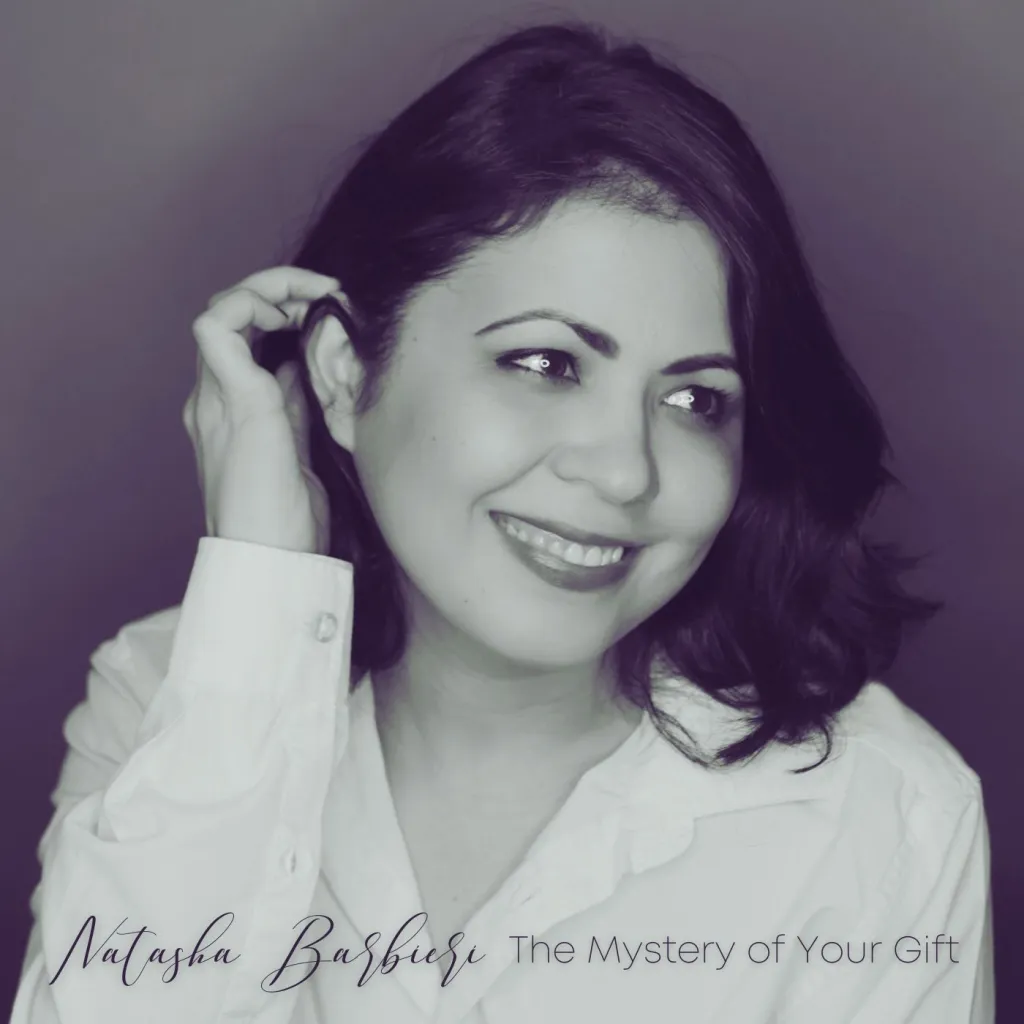
Interviewee: Natasha Barbieri
Interviewer: Jason Tonioli
Jason Tonioli
Welcome to the podcast today. My special guest is a friend, Natasha Barbieri, the editor and founder of Crossover Music magazine. I’m thrilled to have you here today. You’re a musician, you studied music, but I love your journey and your story. You came up thinking you wanted to do music and you’ve fallen into the marketing world. I think that’s your real job. Yes. Over the last 12, 13 plus years, and I’m sure you’re doing this even before then, you’ve had this magazine, essentially, where you have featured some very, very successful, very cool music people. And the reason I wanted to bring you on here is I think you not only have a great story yourself, but you have been able to interview some amazingly talented people. And as we were talking earlier, there’s probably some similarities. Having done probably, I don’t know whether it’s in the multi-hundreds of interviews with successful musicians, you’ve probably seen some consistencies and just some things that would be great takeaways and words of wisdom for people who are in the music world and trying to be successful in whatever that means to people, right? So, thank you for being here.
Natasha Barbieri
Thank you so much for having me, Jason.
Jason Tonioli
So, Natasha, let’s maybe just start out. I like framing where people have come from. I think one of the challenges we have as musicians is you think, oh, I came from this little, tiny town, and I’m a nobody. I think it’s really powerful for people to recognize that we all feel the same way. We’re born the same way. We put our pants on the same way. We’re all normal people. I think it’s helpful to know, okay, how did you end up getting to start the magazine? Just give us a little bit of background on growing up, and then how did you end up deciding to start this music magazine?
Natasha Barbieri
Yes. So I am a pastor’s daughter. So from an early age, you were put on stage to sing because as a pastor’s daughter, you have to sing for church. Fortunately, I actually really loved it. So my sister and I did a lot of things together, and just the passion continued to grow. I was exposed to Charlotte Church at a very early age, and that was a life-changing thing for me because I saw someone that was young and that was out there making a living doing music. So suddenly, it was a kid, you’re like, why can’t I do that? So that’s where the journey starts. And I think I’m really blessed for my parents. They’re immigrant parents. They didn’t really see limits. So, we decided we wanted to do an album of them, and they’re like, okay, how do we make that happen? Where if we would have probably really thought about it, you would have thought about all the things you’ve got to do with music. Maybe you would get overwhelmed, but we just went ahead and did it. And that stayed with me, basically.
I loved classical crossover. It didn’t even have a name, really, when I was coming up. But I was like, I love these people. Oh, let me do a fan site. Let me do this. And then it’s just like, let me try and interview somebody. And again, if you had really thought about it, like this just this little teenage kid in her bedroom trying to interview people, you probably would have taken a step back and you’re like, maybe not. But I think it’s that blind, not understanding what I was getting into, even the fact that I called it a magazine. I am opposed to a blog or something. And people said, yes. I remember, I think one of the first artists was Juliet Pochan. She’s a mezzo- soprano, and she was signed, I think, with Universal at the time. I have no idea why she said yes to the interview, but she said yes. And I was probably 14. I don’t even remember. But that’s where it started. People said yes. And the next one I remember was Laura Wright, who was also signed to Universal. And then through the years, it just started building and building and becoming something where it’s like, oh, okay, maybe it’s something more than me just doing it in my back room because I wanted to know more about these people. Maybe there’s a real audience for it, a real niche for it.
Jason Tonioli
So, crossover music. I think some people may not be familiar with it. I think I’ve heard classical crossover. There are all these little sub-genres of music that have popped up. In your mind, what is this crossover, what is that defined as? Some of the people would recognize and be like, oh, I know what that music is. Because I think most people probably like this music, and they don’t even know that it would maybe be considered that.
Natasha Barbieri
Well, yeah. I think there was a point when classical music people really enjoyed it. It was being played out on public radio. You had stars like Mario Lanza, Diana Durban. They were making films, and they were bringing it to the masses. And then it got to this point, probably in the 20th century, they started becoming a little more avant-garde, a little less for the common people. And films, I think, still continued with that tradition of this just beautiful, lush music. And so you’d still get that continuing through. And then you had someone like Sarah Brightman, who had a background. It was like disco music. It wasn’t classical music. But then she marries this composer, Andrew Lloyd Webber, and he writes a Requiem. And who does he get to star in it? Her. And he writes Fantom of the Opera, and it’s for her. And she has this beautiful Soprano voice that she didn’t get to use with disco music. So, I think in the simplest of senses, 05:36 crossover is just the meeting of these two worlds, right? And it normally tends to be that tradition of classical music and then somehow modernizing it, not letting it get stagnant, bringing some new life to it. And of course, original music ends up becoming a big part of it as well. But Sarah Brightman, I would say, was one of the most important modern people that really just brought it out. And then she does a duet with a tenor named Andrea Boccelli. And then at the same time, you have the opera world seeing that and be like, oh, we want to do something, too. So, you have the three tenors, and you have this music that’s a little bit less of that highbrow, maybe Abend Graard, and it’s a little bit more for the people meeting them, doing traditional songs, doing folk songs that people really love.
Jason Tonioli
Yeah. And I think of when people say classical music, when I was growing up, classical was like dead guy music. If you’ve been dead for 100 years, that was your music. I think sometimes people enjoy living in the dead guy music genre a little bit. But in a sense, you’re saying as people have evolved and there’s composers, the new Beethoven, the new Mozart, some box, it’s those individuals you’ve crossed over, grown up in the pop or the theater. There’s so many cool overlays with the classically trained musician, we’ll say. I think it’s been very interesting to see over the… Especially in the last 20 years, just because YouTube and everything, it’s gotten so much easier to get your music out there. It used to be, you didn’t have an audience or a way to find an audience unless you ended up getting signed with Universal or somebody like that. With the crossover, I mean, is it pretty much any genre or is it that melodic type of music? Is that what you envision? Is that crossover that you guys feature, I guess?
Natasha Barbieri
Yeah, it tends to be a lot of that. Like I said, the Western classical tradition tends to influence it. But I also think that folk music has a bigger part than we realize a lot of the hymns we love. Amazing Grace, you’ll hear that so many times in this genre because it’s beautiful, because it’s simple, and because it reaches people. And I also think if we think about the dead guys, at their time, they were doing something innovative. 08:02 Mozart wasn’t doing what the composers before him had done. And you think if we had planted him in this world, he wouldn’t continue doing what he had done. He would be innovating. He’d probably be writing Hamilton and things like that because he’s not going to stop there. I think that’s the great thing about Crossover is we don’t have to go, Okay, this is the form. These are the cords you must use, and you have to stay true to it. It’s like, Why not do whatever? The sky’s the limit.
Jason Tonioli
And by the way, we have like 20,000 instruments now that you can just get with a click of a button.
Natasha Barbieri
It didn’t exist. Yeah.
Jason Tonioli
It would be really fun if you could get Mozart sitting down in front of a Pro Tools with a. Oh, my gosh. What’s he going to come up with? I think you’re like Jacob Collier a little bit of what he’s doing and just pushing the boundaries and just doing amazing. You give a talented person a really cool tool to play with, and it’s neat to see what comes out, right?
Natasha Barbieri
Yeah. And you mentioned 08:59 the people I’ve interviewed over time and what sets them apart. And I think that’s one of the things that sets them apart is the fact that they’re not happy to just go down this path to do the roles that everyone has done. They want to create something new. And I think for successful people, that’s normally very authentic. Like I mentioned with Sarah Brightman, she was doing disco music. So, her bringing in different sounds with classical now, it was very natural to her. It wasn’t something that was put on. It was, this is my background. This is now this classic that I’ve learned. Let’s combine them together. It’s not like record producers saying, okay, now you are going to sing. I saw this. I think it was X Factor. They had G4D. Oops, I did it again by… I mean, a terrible idea. But that was the industry, let’s do something different. Whereas if you just had that person make something unique on their own, it’s going to be totally different because it’s authentic to who they are. And I think those people, they’re innovators because they’re not staying either in classical background or even if it’s a popular background they came from, they’re branching out and they’re bringing new palettes into that.
Jason Tonioli
Right. When I think just with music in general, it’s music I feel like, is very much an emotional thing. And as a composer, If you’re feeling sad or you’re tired or you’re angry, there’s all types of emotions. It’s fun, especially to hear stories behind a lot of these. I mean, some of them just happen and there’s no reason it’s dumb. The artist It tells you. But in a lot, I would say more often than not, if you peel back the layers of the onions of songs, there’s a lot going on there, emotionally, psychologically, that are just really interesting when you really dive into some of those artists and they share what’s behind the song or what they were feeling when they recorded it.
You have interviewed hundreds and hundreds of artists over the last 13 plus years that you’ve had the magazine. I know you’ve done like El Divo, and we’ve got some crossover with people that I’ve been able to, been fortunate to have crossed paths with, like the John Smith Piano Guys stuff. Yes. The Keltic woman, I think, is another one. Alex Sharpe is another one that I- Such a nice lady. Just some really talented people. When you’re talking with these artists, are there some similarities or traits? I mean, you said they want to break out of the box, and they don’t want to be held in that box. Is there this glow around these people where you’re just like, oh, my gosh, they’re untouchable type. Can’t even walk up and talk to them? I’m just curious about the human factor, what do you see, or have you noticed some things about these people that maybe they’re doing something a little bit different, or they treat people a certain way? I’m guessing there’s probably some things you’ve noticed. It’s not everybody. There’s definitely going to be outliers, but what have you noticed or some similar characters that the regular music person like me or others could recognize and be like, wow, I could learn that trait. I need to work on that maybe in my life.
Natasha Barbieri
I think, first of all, 12:19 people that have had the most success, to me, they are some of the easiest people to work with. They are the people that come, they’re happy, they talk, they’re prepared. They don’t have a million, million questions before like, what are your stats? What are your things? They’re just happy to talk about their music, and they’re easy to get along with. I think sometimes what we see, some of what we don’t like about classical music is from maybe the mid-success people who… It’s a little bit of attitude, it’s a little bit of grandeur, where if you talk to some of these people, Sarah Brightman could not have been nicer. She has sold millions upon millions of records, just lovely down to Earth, talks to you like you’re a human. Lisa Kelly, I loved her from Keltic Women. I was so nervous to chat with her. Just warm, talking to me like a person. And I think that’s what it is, if you can see if that’s how you’re treating people, you’re being kind to them, you’re being authentic to them, people want to work with you. There’s no errors and graces. The more you learn, the more you want to help people, and you’re just generous rather than being like, Okay, what’s it only for me? I think they’ve come to a level of success where they’re generous with their time, careful of their time, but generous in speaking to people. And kindness, I think, is a big thing as well.
Jason Tonioli
That’s amazing. One of the things I think I’ve noticed in just musicians in general that have been really… I think that easy to work with is absolutely a similar trait. I mean, that’s spot on. The kindness, for sure. I’m just thinking through some of the people that I know are the people pushing the death star buttons back behind a concert. And as I’ve talked with some of those friends that I have … I mean, we’re talking about big, big shows. And there are a lot of those big-name people that they just will gush about how easy they are to work with. They show up, they know what they’re doing, they’re prepared, they’re appreciative, too. That’s the other thing I think it probably carries over that kindness. They appreciate that you are willing to be there to help them, and they recognize you as being a major part, I think, in helping you shine in your way. You don’t realize how important that switchboard person running the audio in the back of the house is until something goes wrong, and it’s like, it’s one of those where, yeah, I think that’s a very interesting thing.
One of the other things I feel like is common I’ve seen as well as just the word humility. A lot of those, you said, are teachable. What’s interesting with the word humility, if you study where words come from, the word humility comes from humus. In the Latin form of humus, well, just the word humus is like a soil. It’s like the healthiest of soil that you can have. When you’re planting, if it’s spring here, we’re doing gardens, you want that humus. But If somebody is humble or has humility, that means it roots right back to they have the ability to help things grow and thrive just like that soil does. I think a lot of times the successful people have excelled at probably listening and learning and being coachable and taking feedback to reach the level they’re at, too.
Natasha Barbieri
I think maybe not all of it because we’re humans, we have insecurity. But I think some of the insecurity goes away for them because they’ve done all these things so they don’t have to be so uptight. They have the experience so they can be in the moment, they can enjoy it. And I think another thing about very successful people is they’ll either have hardships or they’ll have people telling them no, and they do it anyway.
Jason Tonioli
I can think of dozens of examples of that and other people I know and myself more times than I’d like to. For me, honestly, with writing music, one of the first times I decided to write music was because my teacher told me I needed a Beethoven song, and told me I needed to be played a certain way. I was told at my piano lesson, When you start writing your own music, you can play it the way you want to do it. Like the next week, I went home that night, I think, and started writing my own song out. I wish I could have had a camera, but I literally wanted to show you, Look, I wrote my own song so I can play Beethoven how I want. Now you can’t say anything about it, right?
Natasha Barbieri
Exactly.
Jason Tonioli
No, that’s fun. One of the challenges I feel like, especially for independent artists and even for those really well-established artists, is finding… I mean, with your magazine, you do an incredible job of featuring, telling stories about people. I mean, I just commend you on that with what you’ve done over the years, and you are very, very good at helping share stories. And as artists, I think we want to have press, but it’s really an awkward thing to… Like an artist, it’s not going to be received well if they just go out. I guess some people do it, but you go on your Facebook and you’re like, Look how wonderful I am. And look at me. I mean, that’s not going to resonate with your fans. It’s just going to turn people off. I think what you’re doing with the magazine is given a platform to share how awesome somebody really is. They probably should be out there saying, look at me and showing off, but it’s just not a natural, comfortable thing that works. So, I commend you on being able to share those stories for people.
But I’m just curious, from your perspective, having been in the marketing world, what are ways that independent artists can get featured or have something that’s newsworthy that shows up on Google? I know there’s people that want to get on Wikipedia and I know there’s lots of people that send out spam and garbage stuff about, get your name on Wikipedia I had one person, this was a couple of years ago, and they wanted to charge several thousand dollars, and they’re like, Well, we’re going to write articles about you. And we’re going to… This is our 10-article package. And it was just garbage stuff that was made up to make somebody feel like it wasn’t even about, wouldn’t have even been about me. I was just like, No, that’s not who I am. That’s not authentic. I don’t want just dumb articles that all of a sudden have my name written on them in there. And if Google actually read they’d think, this guy’s a scam type of thing. But I think as artists, we need to be getting our name out there to credible places, and we should be featured. And the newspapers of 20 years ago are gone. I mean, people have had front page features, but Wikipedia can’t find that anymore. What advice do you have for artists about how do you get yourself out there to be a bigger dill maybe than with some of these channels or magazines or the news sites that do still exist? What advice do you have for people on that?
Natasha Barbieri
This is the difficult part because you have to get out of this singer mindset. You’ve created this project that you love, and here it is. But I think it helps to think of it as a product. If you have a product, you have to think, what is unique about this? We say USPs, right? What is my Unique Selling Point? And it can be hard doing that yourself. You might need some feedback from some trusted people, maybe even your family. Just be like, is this unique? Because there’s some people that are saying to me, they’re like, oh, I’m doing crossover. And 20:10 that was unique maybe 10 years ago. It’s not necessarily unique now. So what makes you unique? So, I would say the first thing is to know your USPs, meet with teachers, meet with people you trust in the industry, get feedback, ask feedback, what makes me different? Making it exclusive, I think, is another thing that’s attractive to me when I’m doing an article. If you’re somebody that hasn’t had a lot of press to date, or like you said, maybe it’s been lost or whatever, give me something that’s exclusive. If you do this story, if you run me on the cover, it’s exclusive for two months or something, the announcement of my album. That’s enticing to the journalist why we want to cover it. So, it’s a unique story, and it’s exclusive to them.
I think another thing is to be organized with your materials. This sounds silly, but you’ll have no idea. Sometimes I’ll just get emails and it’s just like, I’m a singer. I’d love to be featured. Bye. No website. No, this is my project that’s coming up. Nothing like that. So, I think you should get prepared as an artist yourself. You’ve taken so much time with your music, so much passion with your music, and you have to think a little bit about the marketing aspect. I know we hate to do that. That’s one of the reasons why singing for me is a hobby. I don’t really love doing that part, but I love promoting other people. So, I switched gears there. But I think people get it. Again, 21:40 if it’s uncomfortable for you, maybe it’s getting other people into your circle that can help you with that. Because in the same way that you may not be able to hear something that’s wrong with your voice or see the way that you’re holding your violin is not correct, you get an expert, and they help you in, and you can craft something. Then when you go to a journalist, it’s something meaningful. It’s not just, I have an album out, which is great. We’re excited for you. Please keep making musicians more than ever. The world needs artists. But your materials are in order. They’re attractive. Good images. I know that sounds silly, but it’s important. Little things like that can make a difference where you’re placed in the magazine. I’ve literally taken people from being a featured article to being the cover based on the packaged images they have. It makes a big difference. So your package, making sure you have something exclusive and knowing who you are. You can’t be everything. There’s some people that say, I sing every type of music. That’s fantastic, but that’s not going to help me, and it’s not going to help.
Jason Tonioli
Nobody else is going to say, I don’t care.
Natasha Barbieri
It’s not going to help your audience find you. So understanding who you are, those USPs, making exclusive and a good package, I think, are good ways to improve your likelihood of getting covered.
Jason Tonioli
I think one of the hardest things, I’m just even thinking of myself, is oftentimes we don’t see the superpower or the greatness in ourselves. I think even when you’ve arrived, you often don’t feel that you’re good enough. I still think sometimes when I’m up on a big stage and you’re nervous back there, and you’re terrified. And yes, you go out on stage and you find you do great. As artists, I mean, rewind back to the piano recital. You’re nervous as can be as a little kid, you mess up on that song. But I honestly think if you get to the point where it doesn’t, if you don’t get a little nervous, you probably as an artist, maybe don’t care. I think the fact that we still get nervous before we step on that stage with that energy, we love it. You learn to really enjoy that for the most part. I mean, there’s always, oh, gosh, the risk of doing that’s what I’m looking at. I don’t know if you’re familiar with that, but- Yes.
I think there’s still always the imposter syndrome, whatever you want to call that, that you’re not quite good enough, that lingers even till probably the day we die, right? People are trying to figure out what it is. I do think it’s interesting when a news reporter… I’ve had the good fortune of working with a lot of PR firms over the years. Back when I was working at the bank, we actually had a full PR firm along with our ad agency and learned a lot about that world of what those hooks are to get people to want to cover it and to write a good story. It’s a much harder thing to do than you realize. I think it’s even harder to see those stories and hooks in yourself. I think as an artist, it’s important to maybe… Even sometimes, I think your friends don’t want to… I don’t think the friends even realize often because they’re so close to us, they just think, oh, that’s just who that, that’s just John or Sally, or Jane, or whoever it is. They almost, I mean, you almost need to bring in somebody from the outside that’s like, do you realize how amazing that is that you’ve done this, and this, and this, and this? And you’re like, I just do that. And it’s one of those I think you don’t realize you have that superpower, whether it’s music or anything else. We all have things we’re really good at, and it’s nice to… And I think for the news portion of it, you really do need to bring an outside person. What you’ve done with the magazine. I’m sure you’ve had, almost every time you do an article, you’ll find some angle that that artist didn’t even really know was cool. And they would just shrug their shoulders and be like, oh, is that a big deal or that thing?
Natasha Barbieri
I think those are the exciting moments for me when I do an interview. And sometimes the materials you receive, again, are very brief. There’s not much in them, but I must have really liked your song. So, I’m like, Yeah, let’s do this. And then it’s this light bulb moment. I’m thinking of one of the artists, I think, again, she had a very small website, Amy Wallace. Beautiful voice. She’s done so many different collaborations with film scores, all this stuff. And I just remember being like, okay, I’m going to talk to Amy, and then just talking to her and get so excited. Speaking of humble, just like such a beautiful personality. And then it’s like, oh, yeah, I’m doing this and I’m doing this and this, which was never mentioned. And I think all those things, you see how interesting she was. She never had voice lessons, I don’t believe, for a long time. And then she would just try and find little ways to learn the search for knowledge. And it becomes this very interesting person. So, yeah, I think sometimes you really do need someone outside of your norm. The same way you would do when you have a coach, you have your regular voice teacher who knows your voice inside and out. She can help you. But then you’ll go to that coach session, and you’ll learn something that the pair of you have not thought of, and it can just propel you to the next level. So, working with people that you can trust in the music industry.
Jason Tonioli
Well, so I know you know quite a bit about that PR industry. I mean, getting, in fact, you rewind the clock back 20 years ago, like a newspaper article would have been a big deal. Getting on your local news, TV, TV station. I mean, that was an even bigger deal and even harder to get. I mean, let alone if somebody could get on like the Good Morning show, America show type of, or those feature news type of things. But it all came, really, it all came down to some common elements that would grab somebody’s attention, just like you’d be doing for a Facebook post. If you’re trying to get people to pay attention. I had one situation back at the… We’ll put on my banker hat here. We had a situation where we had an elementary school where my bank sponsored a penny bin. These sixth-grade kids, I guess one of their core things they were supposed to learn is what does a million of something look like? The kids came up with this idea, we want to see what a million What does a penny look like? They literally dreamed this up. The teacher, I think, reached out 8 or 10 years earlier to the bank and said, Hey, you’re our bank. Our kids want to figure out how to get a million pennies. Is that something you can help with? Pennies were a little bit of a thing back then. They’d actually gone to an engineering firm, and they got this engineer guy to design a penny bin that was plastic things, but getting a million pennies to stay inside of a thing. It was full on with bolts holding this thing down. You could probably fit 12 kids inside of it, crawl inside of the bin. I didn’t even know that it had happened. I get this call from the principal like, Yeah, we think we have a million pennies, but we have no idea. The bin’s almost full. Can you send an armored truck out there? I’m just like, how big is this thing? Do I need two armored trucks? It was one of these unique elements where the kids had done something cool. There was a visual element that was really amazing. Then the principal’s like, the kids decided they wanted to raise the million dollars, $10,000 or a million pennies, and they’re going to take that $10,000, and they’re going to donate it to a group in Africa, in Zambia, they identified, and they were going to build schools in Africa to pay for teachers.
It ended up that they were going to be able to fund three schools and all these elements for something. I thought, Oh, this is cool. I called the newspaper up there. I’m like, I got thinking, I’m like, Wait a minute. I’m just going to put that same little brief together and just say, Hey, on this date, I’m sending an armor truck to this elementary school. They’re giving you permission. If you wanted to come and take pictures of kids climbing in like scooping pennies, they think it’s going to take five hours to do it. I just sent it to all the news stations. I was like, Yeah, nobody will show up. All four out of four news stations sent trucks. This is like a two-hour drive north. It’s out of the way. I’m up there just to oversee it with the truck, and I was going to take a couple of pictures, and all of a sudden, I’m getting messages, Hey, there’s this news station here, and we don’t really know what to do. It ended up being broadcast on almost 80 stations. I had some service that was sending emails telling me, hey, you broadcast in Alabama.
I’m like, I’m in Utah. And across the country. And then all of a sudden, two days later, Yeah, Good morning, America, aired your feature story for a full minute with kids helping kids, kids that were poor in Africa. It was one of these moments where I’m like, Wow, if you can really find that hook and dial it in, that’s amazing. I think my thought, the reason I share that story is, as an artist, I think, can you figure, is there some element that’s unique that would… There’s something, you’re probably not going to have something as crazy as a million pennies, but is there a vision? Is there someone helping? Is there a story behind your song? That’s a unique thing to share. I’m just curious, as you’ve thought about some of these, and I know you do this for… You help people in your job, for the real job, doing that. What tips do you have for helping an artist recognize the greatness in them or the coolness in their project that now would give that hook to the newsperson?
Natasha Barbieri
I think the human aspect is something we forget a lot –connection. I’ll just say for my other job, so outside of music, we have a product that it’s business to business. So, it’s not something that most people want to run stories about, to be honest. It’s software, it’s for business. You’ve installed something that’s great. But I think 31:47 where we see success is when you start getting the human element, how is this helping real people? And I think with musicians, what we’re doing is so personal. So it might be that story of your song, the story that it was inspired by, the life-changing event that your music has taken you on. Because whether people do music or not, they can connect with the struggles that you’ve been through, that they can connect with your joy and with your pain. And so, I think that just such a huge part of it is human. It’s not just, and I sing for the Pope, which is awesome, and you might get a good story there. But the feeling it was meaningful to me because the humanity of it, I think, is always really important.
Jason Tonioli
That’s gold. So I’m going to ask a question, and I don’t usually do this on the podcast, but I’m actually going to ask you to coach me along, because I know there’s probably more than half the people that are listening to this probably have a similar situation. So a lot of the people listening have released a song or an album, and so I’ve got an album that is… I literally have the final recordings of this album. The funny story is that I released a full piano book. It’s called Healing Piano Solos, and I took more than two years to write these songs. I think in the end, there were 10 songs included in the book, and I think I went through 35 or so songs to get there. And this is my, I think it was my 19th or 20th book that I’d done. I released the book, and I’ve shared it, and it’s sold, and it’s getting out to people. I’ve still not done the recordings of it. I literally have the folder on my desktop to give the final listen through before we upload it to the streaming services. I think a lot of the places that artists mess up, and especially myself. So, I’m just, I’m coming clean right here. Here’s my confessional. I’ve not done a good job of sharing the stories since I released the book. I shared it with some of my fans, and we’ve done marketing. But each one of these songs was picked specifically because I felt like somebody could essentially be in a situation where they needed to heal or meditate or whatever it might be. Over the last, gosh, 20 years, I’ve lost count of how many emails where people have emailed me and said, your music has impacted me in this way, and it helped me. Or I’ve had at least a dozen people who passed away or had their parents pass away listening to a song. I mean, that sounds a bit morbid, but it’s one of those where it was this just heartfelt message. They were listening to your CD, and they’d been having it on just on repeat, and they literally took their last breath as the last song was played. Things like that are just… You don’t make those types of things up, and you don’t even typically share them.
I think as an artist, even for myself, it’s like, Wow, that’s really cool and heavy. But I think often… This book or the CD that I’m going to be releasing is literally all of this stuff that I spent two years putting songs together, and I’ve spent another 9, 10 months since I even released it to record it and just get it just right. With the way it’s probably going, I’m probably going to release that, and nobody will know about it. But I’m just curious from your perspective, and feel free to ask me questions. They’ll coach me along here, but if you’re listening to this, I want you to think about your own music and just think about what are those elements that… Jason should have done this and this and this. Feel free to email me, too, if you people out there listening, have ideas. But I have dozens of songs that I know can be impactful to people. And that’s what drives me to write these songs and record them. It costs thousands of dollars to do it at the level that we’re doing it. And why in anybody’s right mind would we create music that does that?
I’m just curious, Natasha. From a story standpoint, what would the news reporter want to ask, or what would I, as an artist, need to be thinking about more?
Natasha Barbieri
I think the thing that was interesting is while you were talking, you started with “the what”. It’s this collection of songs, these 30 songs, and it was a lot about how I’m recording them, and then we finally got to the why. I think we need to reverse that. This is music for people. They need peace. I’ve been there. I sang a song to my father when he was dying. It was the worst I’ve ever sung. But we need music for things like that. I think starting there instead, why are you doing it? That’s what I would say, is tell all those stories. That’s the hook. It’s not what you’re doing because there’s a million of albums. You’ve released, what, 10, 11 albums now, at least.
Jason Tonioli
Got a couple of hundred songs. It’s one of those where you have the why behind it? But I think by the time you get finished with it, you start, I mean, you’ve put all your emotions into that thing you did. You’re almost tired of it. And I think in a lot of ways, that’s where you need to say, okay, I’m going to tell this story for the next two years now. If it’s the right story, yes, you can go work on other stuff. But I think as artists, we get distracted. I’m like, I want to do the next thing. How do I go out to a news person? Or are there people that help these artists? They’ve got their single, and they just spent their life savings to do it. How do they make sure that it just doesn’t end up in the Spotify dumpster that never even gets… I have so many friends that have just the music they put out is amazing, and they’ll see they’ve got seven monthly listeners on Spotify. I’m just like, you are so good. And a lot of times people quit, or they’ll sell their…
Back in the day, you’d print a thousand CDs and spend $30,000 on something and you sell to a few friends, family, and a few fools, and then you get frustrated, and then they quit music.
Natasha Barbieri
I think you need to work with someone who can help you tell that story. So, you may have to, like you said, you’re selling it for the next few years, you’re promoting it, but someone else is going out there and selling it for you. Because that’s such a difficult thing to do is to go out with that message, do the cold call, do all these things. But if you have someone, I think that even just sat with you, heard your story, and then they’re saying, that bit, that bit, that bit we’re going to do, and then they help you with it. And I know as musicians, we don’t always get that. I know that that’s a luxury to have. But I guess if you don’t have that outside person, record yourself. Start with something as simple as that. This is why I wanted to do it, and then listen to it back and say, what are the points that are standing out to me that I wanted to do this song because I’ve always loved it. That’s great. I loved it. Why? Because my grandma told me. Keep going, keep going further and further into it. Then you’ll remember, this is the first song I ever had. I remember it clearly in my grandmother’s voice, and this is the connection to my heritage. It’s a lot more powerful than I’ve always liked this song. I think 39:12 just keep asking the questions. Keep going deeper. What’s the deeper motivation there? Because you talked about psychology. A lot of us, the reason we connect to these songs is not superficial. The way we talk about them sometimes is. But when we really deal, it could even be a phrase that just touches you so much, and it’s going to resonate with people, not with everyone, but it’s going to resonate with people that need that particular message.
Jason Tonioli
I think it’s so funny that as artists, we will spend countless thousands of dollars on instruments and maybe voice lessons, music lessons, whatever it is. Even when we start writing music, we will spend… How many hours of time do we spend writing the music and then going to the studio and paying crazy expensive stuff? If we’re buying the new microphones, and even if you’re doing it at home, the amount of investment we put into recording and getting it just right is… Nobody knows that unless you’re the one doing. If you’ve done it, you know. But outside of that, I don’t think fans or just people that hear the song have any clue as to what goes into that. But I find it so interesting that oftentimes we’re not willing to spend any money on the marketing side of it or the storytelling side of it or the PR news side of it. Probably a lot of that is that we don’t know how to do it. Telling the story is hard anyway, but a lot of people are like, I don’t know how to reach out to Google and end up on… How do I end up on the little news feed?
So, somebody reads this cool story. There’s a handful of them out there that you read, but how do I, as a little artist that nobody knows, do that if you’re feeling that way? Same thing with a YouTube or a Facebook ad or a Google ad. I’m sure Google and Facebook love donations from people who don’t know what they’re doing. And most of us don’t really… We’d rather give money to the church or to help somebody that needs it rather than Mr. Zuckerberg or the Google people out there. I think it’s one of those, just honestly, if you are trying to become a musician, get your music out there, it’s probably a wise decision to set some budget with a goal of obviously accomplishing something. Maybe it’s just getting people to listen to your thing or grow your YouTube channel. There’s some amazing tools like Hyped It that have made it really easy for an artist to learn how to do. I love Hyped It. If you aren’t familiar with that and you’re an artist, then go check those guys out. They are amazing. I’ve seen I had an artist, somebody I passed along to that, and they ended up getting over, I think they hit 100,000 song plays with not even more than a couple of hundred dollars.
Their minds were blown. They’re Oh, my gosh. I got 120 people to watch my video, and I just had 50,000 people in three days. Like, what just happened? I helped another artist just recently that in seven days, we went from launching the album, and I think we had 135,000 views in the first seven days on the video. There’s things that you need to think about for just training the YouTube algorithm or the Spotify algorithms to know that you exist. I think it’s almost become a requirement to invest a little bit. That’s probably, I’ve heard some people say, You need to spend $2,000 a song. I’ve not done that myself yet, but I think it’s a wise thing to plan for if you care about actually having somebody hear your music. I’m guessing from a PR side, I mean, what does it…
I know with the magazine, you guys are a nonprofit, and you’ve just done amazing stories. But as you’ve worked with PR people, should artists in the back of their mind think, oh, I should set aside $1,000 and write an article? Or are there people out there that it’d be worth spending $2,000, $3,000 and getting some articles, and all of a sudden you blow up with a story, and you’ve got a million people all of a sudden? Is that a couple of thousand dollars’ worth the investment? In my mind, I think yes, but I’m curious to hear your take on that.
Natasha Barbieri
Yeah. I think, like you mentioned, it’s interesting, even for something as simple as analytics, right? People don’t have it; they don’t know that they need it. 43:34 When you’re trying to build a name for yourself, even if you’re trying to get gigs, yeah, they’re going to look at your Instagram followers. But the press is also a part of it that people don’t think about. So, it is a really important part. And we talked about how hard it is to promote yourself. So, if you have that in your budget and you think about your long-term goals, not just your short-term goals, but where you want to be, where you envision success, if you want to build a reputation. I think that’s part of the press, too. It’s not just this one song I want, and then I’m going to leave it there. You’re building a reputation. You’re building a career. So, press is really important. I think what I would do, first of all, is research. So, something we do in the business side that we don’t do so much as singers, I feel like, is competitor research. So, who are the people that are really…
Jason, you play piano, you do all these beautiful songs, the piano guys. Okay, let’s look at them. Who are some artists like me and what are they doing? You can do things like you can even look at people’s ads. A lot of it is transparent. Who are they marketing to? Let’s look into that a little bit further. Okay, they’re getting coverage of their press release. Who wrote it? Where did they get that place? Start paying attention to those things. I think, especially for me, just because I know this music is niche, there’s going to be certain publications, certain people that know what’s going on within your set of music. For country, it’s totally different, I’m sure. So, you want to be able to look, see what other people are doing, see stories that you like that resonate with you. And then maybe you’ll find a common denominator. Maybe it’s one publication and you say, okay, now I’m going to trust these people. It’s an investment in yourself because it may not see the immediate results. I feel like if you just do $1,000 in a Facebook ad, you might see tons of impressions right away. Whereas its press is really building that reputation. It’s helping your long-term career. It’s helping build reviews, all that thing. So, it’s an investment in yourself in your future.
Jason Tonioli
I think if I rewind back to before I worked a little bit in that world, A lot of people think, oh, well, you can’t just buy. I guess there’s some of these online articles. You can go buy press where you write an article and they’ll just stick it on there as a sponsored story. But real press is not something that you can buy. The process to get there is there’s a story or a hook of some kind. It used to be that you’d actually fax out a press release with all of the talking points. If you were doing a good one, you would have, Here’s the quotable quotes that you could do. You’d have a really good headline, and maybe one paragraph is all that would get looked at on that news desk because they were getting 300 faxes for the day. Then there’d be the bullets of, here’s what the story could be about. Then sometimes we would actually write, here’s what the story could be. If you hooked them with the headline, there was a chance they’d read the bullets. Then if you were really lucky, they would actually go. I remember I had one that I think got three or four paragraphs. They literally copied and paced. I don’t know whether they wanted to take their kid to the baseball game or what. But they were really well written, so it was great. But it just made me laugh. It’s like, I totally just wrote your whole article for you, and you just put it in there. It was good, but it made me question for a minute. I guess I should just go be a news reporter back in the day.
Natasha Barbieri
No, definitely. Those packages, I mean, I’ve received them, like I mentioned before, even the fact that classical Crossover is one of the smaller subsets. I’m sure the people that do Bill Bird magazine get millions and millions. But I get a lot of emails coming through. True. And the ones that do stand out, they have a good headline. They have something, like a hook that’s going to draw me in, something different about them. It’s not that James Dean is recording an album with him. Great. And what? And they have something… Like I said, the exclusive thing is always great. If you do it these first couple of weeks, you will be the exclusive interview for them. I remember an artist named Laura Hauer did that, and I just love her as an artist anyways. But that was a little pull to get me away from the other emails. I think all those little things help pull you in rather than just, I’ll get a CV sometimes, not much with them.
I don’t want to be mean, but I have very little time sometimes to listen to all of these things that get sent. Again, just a small subset. I need a nice headline, something that’s even images, like I mentioned, as silly as that is, something that’s going to draw you in. Easy accessible video, those bullets. And then as you break down, it’s so helpful, honestly, to know the direction that sometimes people want to go.
Jason Tonioli
Well, I think it’s really what you’re sharing is absolute gold because you’ve been the person that’s writing articles. You’ve been in that news reporter seat. You’re not getting paid or bribed or anything to do this. It’s one of those where this is advice coming from somebody that’s literally the one writing the articles and finding the stories. I think there’s so much value in that perspective that I hope people recognize. Go back and rewind this part and listen to it again because there’s been so much good stuff shared. Natash, I feel like, honestly, I need to just hire you to come and write my story for me or something because you do an amazing job. What’s funny is the way we ended up coming across each other is you’d actually reached out to me to do a feature story. I hadn’t even approached you. It was just one of those. There’s going to be natural types of things. I mean, gosh, if I would have given you a hook or something cool to tell you a story about, maybe you would have featured me sooner. But I think that’s the other thing is just as an artist, make sure you’re doing things invisible enough that hopefully people like Natasha will find you.
But I do think your thoughts about investing in those stories or having that out there is absolutely huge. I really think, Natasha, you have a future career in coaching artists or doing something in PR. I don’t know, I’ll have to twist your arm after we get off the call, but you would be incredible at it. I think you would really… You have a unique perspective that I don’t think many people have of all sides of the industry and have a way to help artists. You’re spot on with what you’re doing. So, congratulations on what you’ve done with the magazine. Thank you so much. Over the years. Please keep doing that because it’s very cool what you’ve done. But I would love to see you in the future be able to coach several artists. We’ll have a side conversation after this. I’m going to have to hire you to come work with me and help me because I know better. But I think you have a lot of opportunity to help a lot of people and bless a lot of lives if you want to take it, too.
Natasha Barbieri
Thank you. I love telling stories. That’s what got me into this was a genuine curiosity for the music and the musicians behind it. So we’ll just have to watch this space and see what happens.
Jason Tonioli
There’s going to be some big things coming, people. There you go. Well, Natasha, thank you again. If people want to check out all of the articles you’ve got, it’s Crossover Music magazine. Com, correct? Yes. We’ll have the team put the show notes. We’ll have all of those links. If we’re really lucky, we’ll get a link that will have some special coaching deal that Natasha will offer. I’m sure there will only be five or six spots because you’re too good and too busy, probably, to do this. Anyway, we’ll put that out there. So, Natasha, we’ll be talking more. Thank you so much for being here today.
Natasha Barbieri
Thank you so much, Jason.