
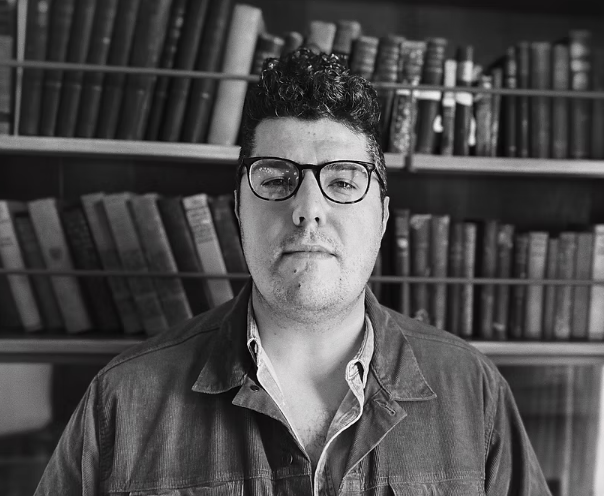
Jason Tonioli
Welcome to the podcast today. My name is Jason Tonioli, and my special guest today is Steve Matthew Carter. Steve is a Nashville-based media composer. Steve, you’ve done a ton of TV sync placements. You actually did a Super Bowl ad, which I think is way, way cool, about a year ago. And you’ve done some film stuff. You’ve done just a lot of cool projects, a lot of TV type of stuff. I’ve noticed a lot of reality TV shows. You’ve had a lot of your stuff in there. But most recently, and one of the reasons I wanted to talk to you is you just helped with a… I don’t know, it’s like a thriller, not really a horror film, but called Gazer. Right before we got on this podcast, I was listening to it, and I think I messaged you, and it literally was freaking me out. It was unnerving in a really healthy way. You nailed it on that music, but wanted to bring you on here and just have you share your story. I think every one of us has a unique story to share, but yours and how you ended up from probably when you were in diapers until now you’re doing this thriller, scary. I don’t even know how to describe it. Is unnerving the right word for it? How should I describe this?
Steve Carter
I think that I’m going to replace my middle name now with unnerving. I really enjoy it. It’s comforting. Great for me. Well, thanks for having me, Jason. I really appreciate being on the podcast. I’m a fan of what you’re doing. So it’s really an honor to speak with you. Yeah, my story is not totally different than most people’s. I came into music in high school. I picked up some bands. My family was super supportive. They bought me my first drum set when I was 13 years old and put together a couple of neighborhood bands that went nowhere, played some backyard shows.
I think things started to kick off for me when I picked up the guitar, started songwriting when I was about 15. I wanted to be Bob Dylan. That was like my world was, my headspace was. I think that was super important for me because from an early age, I thought about storytelling. Songwriting is all about storytelling. I think as a composer, that’s the way that we should be speaking. And so I started writing my own tunes. They were not very good, but it was an early gestation period for me.
And then I got really lucky early on when I was 17 or 18, a friend of mine that I grew up with, his name is Jared Khan. His sister was out in LA, and she was working with Adam McKay on the film The Other Guys, and they needed a piece of music for a bar scene between Mark Wahlberg and Will Farrell. And I think she went, oh, maybe go to my brother and try to help him out. And so, Jared came to me because I had a little Pro Tools rig, and we wrote something, and it got placed and it opened up the world for me, this music for visual media thing that I was like, well, I didn’t even know this was a job. And it was the first time I ever spoke to a music supervisor. We didn’t even have a BMI account. I remember having to open all of that up. And it was just a wonderful experience working with him. He and I are still collaborators. We still write library music today, which is great. He’s out in LA now. But it was the first seed that was planted for me early on. Oh, there’s a world here to do this.
Then I went off to college. I went to a school in New Jersey, music school, studied audio production in the music business, sound design, radio production. I started a band with a couple of other people from our music business club, and we all had very similar esthetic vibes. We were really into Radiohead and Death Cap for Cutie and Coldplay. But most importantly, we treated this band like a job. We were like, this is what we wanted to do. And I think it’s important to do that for some bands. It is a job. And so we toured, we played, we opened for some really interesting, diverse acts, and we went out to Cleveland and made a record, Jim Word, produced for like Fianna Apple and Incubus. And that was my first professional music business experience was singing and songwriting for this band and organizing shows and creating merch for ourselves. We were a very insular community in what we were able to do.
And then by ’22, ’23, the band fizzled out like most do. And I was left like, what am I going to do with my life? And I went on Craigslist, and I applied for a job to intern for a composer in the New York City advertising industry, who became a dear friend and a mentor for me. His name is Doug Hall. He has done hundreds and hundreds of advertising spots. And he took me under his wing when I was really young, I didn’t know anything. And I started working for his company called Propeller Music. At first, it was just organizing the music library, interfacing with other composers. Then a little bit of business development took me around to the New York City advertising world, learned how to talk to creative directors and copywriters.
And then, unfortunately, that situation didn’t work out. We were a small company, so we couldn’t keep up with some of the bigger music houses. But staying in touch with Doug, and still to this day, I’m friends with him. And then I spent a little time bouncing around in a few different studio instances. I had a whole other side quest where I wanted. I was going to be a pop songwriter at that time, 2012, 2013, rather, excuse me. And so, I started writing with artists in the New York area and doing studio work. And I look at that time for me as a lost period, a little bit of a limbo. And 06:37 I think it’s really important for people to be okay with having gaps in their creative career. That thing where its success is a straight line. It’s not. It’s a zigzag, crazy Jackson Pollack painting. That’s pretty much the time. I had a couple of years. You’re 25 and you’re feeling existential dread. And you’re seeing people that are younger than you having amazingly successful careers. Someone might tell you, oh, you might be a late bloomer. You might exceed your dreams later on in life. You’re not ready to necessarily hear that. So that was that time for me where I was just bouncing around and doing a lot of nonmusical activities as well.
And so, I finally just decided I wanted to jump back into the music library world and start composing. And I met a company called House Music, H-A-U-S, in New York City. And they were writing for the show American Pickers. And I just auditioned for them. And I got to write five or six seasons of that show. And it was awesome. It was my first job. We weren’t making a ton of money up front or anything like that. But it was my first time working on a TV show and talking with the showrunners through our music house. And we were supplying like, bins and bins of music to the editors. But it was like I was getting cues on that program. And I love the show. It’s still a wonderful show, I think. But it was a great experience for me to jump into the world because I teetered with it for a while.
And then finally, I just dove headfirst in. And all while I was doing that, I also just started DM-ing directors that were at my level on Instagram and just saying, hey, “I’ll score your film for a sample library” or some and just trying to gain… I didn’t even have a website yet. I was very, very low stakes. But that’s okay. That’s an okay place to start. 08:44 You don’t need a huge presentation. You can start with a SoundCloud link and five tracks that you’re emulating your favorite composer. That’s totally fine. And I was able to meet some friends that way and basically roll that wave to where I’m at right now doing more feature work, doing more library work as well, too. But that’s pretty much the arc of my upbringing and early career.
Jason Tonioli
You’ve done some projects that a lot of people just dream about. Some of the placements you’ve had have been amazing. But as you go rewind the clock back to what you said about 2011, 2010, when you were a little bit lost, if you could go back and give yourself some advice back or wherever the clock is that you’re like, Man, if somebody could have just told me do these things, that would have made a huge difference. What advice would you give yourself at this point now?
Steve Carter
I think I would say to myself, 09:46 it’s okay to figure yourself out a little bit. It’s okay to figure out what your style is… To me, the big thing that I think I needed to develop was my own style and my own aesthetic and my own choices. And the decisions that I make are going to be the thing that other people are going to want to work with me on, basically, my aesthetic, my worldview. And if you can start nurturing that when you’re younger, instead of trying to emulate so many other people or feel lost, I think that is something I would have loved to have maybe gone to the root of a little bit quicker. But also, that’s an everyday examination for me. Style is something that happens over time, and you learn it by working with different people and being in different situations. 10:39 I think also just communication skills. I wasn’t the best communicator, and I think that’s essential to working especially on scoring work. Being able to deal with different scenarios, these different people within the ranks of what you’re working on is so crucial. Developing tact and communication is essentially what I would have maybe told myself.
Jason Tonioli
Interesting. You’d gone to college and university for music. I’m curious as you look back on that program versus how the industry is evolving, and I think just education in general is going through a massive shift right now. You can go buy a course from Hans Zimmer if you’re wanting to learn how to score for like 100 bucks these days. It seems like everybody wants to sell you a course on how to do the thing, right? As you look on, if you were starting out in the music business today, like a young, let’s say you’re an 18, 20-year-old kid, what do you feel like is some of the most important steps that somebody in that situation needs to do today, if you were starting out, knowing what you know
Steve Carter
12:01 I would identify the types of people that you want to work with and go hang out with them and try to live in the rooms or virtual rooms where those people are and hang with them. And that’s easier said than done, but it’s really… 12:25 Networking is such an ugly word. I don’t love it all that much. I’d rather call it friend collecting. That’s my MO with it. So I think being able to find people at your local university and offer to work with them, these are the people that you’re going to rise with. These are the people that are on your level. With Gazer, the film that I just did, I’ve known Ryan for 20 years. We’ve worked together since we were in college together, and we knew each other, and I always knew he wanted to be a director, even though we were doing music together. But we spoke that same language, and I just knew he was eventually going to make a film. And so, it just happened to be at the pandemic time, they were, Ryan and Ariel were both at a critical point in their life, and they just decided, this is the time to make that movie. And there was no other choice. They were going to work with me. And so, it was such a great experience because the process was like, it was a movie that we wanted to see.
It’s a film called Gazer. It’s a paranoid thriller about a woman, a young mother, with this brain condition called Cronometria, where she zones out and time elapses. And there’s so much you can do there musically with time and playing with rules of time. And so, when we started talking about the film, it was like we had that common language because we had spent time together, and we had grown up together and had the same sensibilities. This is very uncommon, I think, but I started writing music immediately from the script phase, and they had no film connections. Ariel was working at the Angelika Film Center, and she had some agent background, but they raised the money themselves. We shot the film on an $80,000 budget, Nights and weekends for two and a half years on film, too, which is a crazy decision, but they were so committed to it. And I could just see early on from where they were. They brought me in early on, and I was hopefully able to understand their vision. And that’s why we started working on music early on. And that music was played to the cast and crew on set. And that became a tether throughout that two-and-a-half-year process because it’s being shot over two and a half years. It’s crazy. How can you do that? They didn’t have the money to do that. They had to wait until they had money. And so the music was at least the thing keeping the crew in their head space. This is the movie we’re making. Okay, this is what we’re making because you’re going from such long stretches of time.
And then eventually, a scene started to come in, and I was able to write the picture, but like 30% of the way in. But to answer your original question, Ryan is someone that I just knew early on. He was like… He was my… Beyond just being my friend, he was like a sole collaborator for me. And he’s someone where I will… If he ever calls me to work on anything, he’s the first person I’ll pick up for. And I’ll dismiss work to work with him again because I feel such a strong connection to him as a creator. So, I think as a young person, it’s easier said than done. But 15:58 find your friends who are talented and gifted and make something with them, whether that’s an album, whether it’s a film, whether it’s a play. Find people you enjoy being with and create that thing that you feel is missing in the world. Don’t wait for permission.
Jason Tonioli
I think there’s the saying that you become the average of the six people you spend the most time around. I don’t know who said that, but I think it’s very, very true. I love how you call that friend gathering versus just trying… I think with friendship, there’s something in it for each. It’s like a mutual thing. It’s a friend. Whereas sometimes I feel like, if you call it networking or just, I guess, a relationship building. But oftentimes people, you can tell when somebody is not. They’re just in it for themselves. It’s like this one-sided friendship. We’ve all had those situations, and it just feels awkward. A lot of times people are kind and we’re helpful and all that. But those types of relationships and friendships don’t stay on the test of time.
Steve Carter
17:08 I think being a good hang is an essential life skill, I think, in many different industries, not just the music media world. I think being a good person, to be around, being empathetic, having some humility, asking questions, learning from people. I’m often just grabbing coffee here with people that I haven’t worked with just to learn their world a bit more. At the end of it, it’s like, Hey, I like spending time with you. I like what you’re doing and keep in touch. Maybe our paths cross at some point. But looking at it as gaining friends and learning from people as opposed to this, I need to network and rub elbows with the power players and stuff. It just feels icky to me. I don’t know why. I just don’t love it.
Jason Tonioli
I think a lot of times… We were just having a conversation earlier today with somebody about When you figure out who your people are and who you’re called to serve, there’s the… I’m building a product or I’m trying to sell a thing. Selling is a lot of times looked at as a bad word. This was a musician I was talking to. He’s like, I’m terrible at sales management. But what was interesting was that we had a conversation. I could tell that he loved to help people, and he literally would do anything to help somebody and serve that person. I think the key thing is, as people are figuring out how to build friendships, relationships are asking what you can do to serve and help somebody else. And what will happen? You think about some of those bigger players. If somebody comes and helps them and is just there selflessly serving and helping somebody, when there’s an opportunity, they’re going to give it to you because it wasn’t about, I’m just doing this thing for you because I’m hoping you’re going to… Something comes around. But in general, if you do enough of that, karma is a thing. Good things will happen, right?
Steve Carter
Yeah, I think so. I think so. I want to believe that that’s a part of it. I think it’s also just like 19:15 if you don’t see something in your community or you feel like there’s something missing in your community, whether that’s your local city or your online community, because most of my connections have come from even online work. I have friends that I’ve never met in person that I meet on the regular. But if you feel like you’re in a lost place and you don’t see something from your community, create it. Try to be the start of something. Create a club where there’s other composers and you guys get together and have beers and talk about it. And don’t look at your people around you as competitors. Look at them as collaborators or people you can learn from or people you can hang out with. And you’ll get something from that. I want to believe that for sure.
Jason Tonioli
Back early on in my career, I was in the banking world, and I had the opportunity to go to multiple different university-type settings for banking school. I’ve got too much school behind me, but this would be like a two or three year type of program to go, I call it be bankified and really learn all about banking. But what was interesting with that, as I looked back, you could identify who the A players were, the people who were showing up, and they were just, I don’t know what it was. They were smarter, but you knew they gave more effort towards stuff. And even at that time, I would try and, how do I get to know that person or what can I learn from them? It was more of a, let’s gather the flock together so we can all help each other. And I can still remember I’d organize little group calls with all these people at other banks around the country to share our best ideas, a little mini mastermind. And it was huge to be able to get the smart people in the room that wanted to do more, that weren’t just like, Oh, I’m here at school. My mom makes me… There’s a lot of people that are just, I would say even 50% of the world, it feels like they go to class or they go to university or whatever it is, and they’re there, and I guess they pass the class. But frankly, they’re not going to change the world in any… They’re just not motivated.
I think what I also hear from you is that a lot of the reason you’ve been successful or found opportunities in your career is because you’ve hustled and you’ve gone out of your way to build a relationship or reach out to somebody. And I think that’s… It’s not a hard thing to do, but that little extra effort that you took is what made you stand out from the other 90% of the people that are trying to do the same thing, or at least signed up for the course that you went through in your music school, right? You were doing more because it was fun and you enjoyed it.
Steve Carter
Yeah. I am very atypical… I’ve always looked at my career as… The composers that I admired are people that came from the pop music world. Johnny Greenwood, Trent Rezner, Atticus Ross, John Brian did Eternal Sunshine. I never felt like the path for me was the traditional… I love John Williams. I didn’t grow up falling in love with that music and knew it when I was four years old when I watched Star Wars. The first time that that was what I wanted to do, I took the rock approach. And so, I have a very atypical career in that way. And it was a lot of learning and figuring out. But I think I can maybe say that I’ve been lucky enough to meet people that have brought the best out of me. In the production music world, too, it’s not just soulless libraries. There are dear friends that also are playing in bands and touring and doing that as well. So, it’s just identifying what you’re really good at and just perfecting that.
If you’re a great guitar player, write the best guitar-focused tunes you can Whether that’s in the production music world or in your scoring, if it calls for it, lean into the things that you like and gravitate towards. And I think that that’s a recipe for success. But I think having mentors helps as well, too. And so because I didn’t go the assistant composing route or I didn’t have a conservatory background, I’m not negating that at all, too. I think that’s incredibly exceptional. And I think there’s so many talented people that come through those paths, too. I just maybe have always identified the people that I want to work with maybe more of like… I’ve always felt like I want to be an indie auteur guy. I want to work with directors that are… They are in control. They know what they want. They’re very type A. And they are like, this is how I see my story and my vision. And I feel like those are the people I want to serve and write for. And I’m just lucky now that having this project, Gazer has opened up a door to that because that’s what it was working with Ryan. He knew what he wanted. He told me early on that we wanted this melodic theme to come throughout the film. And we have this melody that gets hummed by one of the characters, Cynthia, Franky’s daughter in the film. And she hums that melody, and then it exposes itself into the score, and it deconstructs as Franky’s material world starts to… Because she has this brain condition, and she’s also now a detective in a way without spoiling too much. Just working with Ryan on that was amazing and just developing what that sound was going to be and how we were going to reintroduce the melody the third or fourth time through and make it a little bit different, so it wasn’t exhausting for the audience. And so, I have a good idea of where I want to be. It’s just going to those places, going to those sources, and I’m just excited to hopefully meet more people. That’s my…
Jason Tonioli
I think the situation you had where you had this music that essentially set the mood on the set, probably for a lot of these artists. I mean, that’s a very cool scenario. And having listened to some of the songs on the soundtrack, I can see how that literally would just set the tone for that. I mean, I can’t even think of a better way to have an actor go into a scene after than have them listen to two minutes of this just, whew. I think it was brilliant. I’m sure there’s directors that are doing that more often. I am curious. So I think as musicians, we all had really cool experiences and things that stand out that were game changers or where there was something that clicked. As you look back on all of the cool cool experiences you’ve had with music, was there one that stands out where you really feel like it may… One of the most memorable things that’s ever happened to you in music or where you had this aha moment or just something that you feel like, Man, if I was picking one, that’s the one or that’s the story that happened and made me realize, Hey, I’m in the right place.
Steve Carter
Yeah, I think that’s maybe happened a few times. I still feel like I’m still so up and coming, and I’m still such a work in progress.
Jason Tonioli
You’ll feel that way in 30 years, too.
Steve Carter
Yeah, that’s great. I love that. I think not to keep bringing up the project, but I think Gazer was that for me in terms of just… It was a film that I myself wanted to see. And so I think being able to work on a project gives you some creative liberties. I couldn’t write anything I wanted, of course. Ryan was strict on what he did and didn’t want. But being collaborative with him was an incredible moment. But I think an aha moment, too, was probably just when I dove back into the library and just decided to… I think it was a bit all over the place, and I think my Aha moment came when I just said, focus on music for the media in any way you can. That was maybe 2016 or so, and I just hit the ground running. After spending a couple of years just spiraling, going all different places, it was like, I started to see, oh, my royalty started to climb a little bit. I jumped into the industry. I went on a bunch of Facebook groups that are helpful. I started to meet other composers, asking them questions about the world, creating spreadsheets of libraries that I felt like maybe I could write for. And so that was the start of the AHA moment for me. I think focused This is maybe something I lacked up until that point. And so that’s been helpful for me is to just be anchored by something, you see the next five years of your life.
Jason Tonioli
You’ve got all kinds of different music. I don’t feel like you’re a one genre guy like some people. You’ve just done a lot of different types of styles. Where do you find your inspiration to do the music you’re doing? Do you have some routine you go through? Do you go for a walk? What do you do to find that inspiration? When you get asked, all of a sudden it’s like, Oh, I got to write for this song, and it just hits you in the time of need. What do you do there?
Steve Carter
Well, I highly recommend going for walks since you brought it up. I think taking breaks, getting out of your studio, that’s like… I mean, as much as living in the studio is great because it’s the happiest place in the world for everybody that is lucky enough to create their own. I think you’ll find that you burn out. And I think maybe for me, 30:06 the key to writing good music is living my life and seeing friends and reading books and watching movies and hanging out with my Girlfriend, just getting away from it for a little bit helps you focus. And in the time that you are writing, it compartmentalizes you to do the best job you can. I mean, as far as my inspirations for writing, It always depends on the brief and what’s asked of me, whether it’s a film. If it’s a film, it’s always about creating something incredibly bespoke that only could live in this film. It’s a dance with the director and the producer to create something that is just baked into the project, whether that’s something super minimalist, whether that’s something super maximalist, whether it’s live, whether it’s in the box. That’s the most important thing for me. 31:06 I always want to make sure that I’m talking about the story with the director, and we’re not talking in musical terms. We’re talking in emotional terms. It’s my job to figure out what purple sounds like. And I love movies, too. It’s my favorite art form. So I spend a lot of time watching films, trying to help learn the psychology of getting into a director’s head. So it helps me as a composer see where they’re at and their approaches to things. So I think if you’re interested in film, if you’re interested in any film or even IPs and things like that, go and watch movies. I mean, it’s a beautiful art form that is one of the most… It’s like a football team. So many different moving parts. And I think when it comes to producing music, it’s about producing the best possible track and writing to maximize your income or your growth. You’re writing something that you hope gets used for multiple different purposes, multiple different television shows. So they’re very different. They’re very different jobs. Production music and scoring are very different. The only thing I think they share is maybe a producing angle, producing music, and sitting and figuring out how to write and produce.
But ultimately, I love production music because it keeps your skills sharp. And every day is a new adventure, like a film is. But one day you’re writing music like Tom Petty, the next you’re writing this dark tension thing and trailer music and this, that, and the third. So, I would say 32:43 my only piece of advice for that would be really just focus on what you do really well in that space. If it’s two or three genres that you excel at, be the guy that does that or the girl or whatnot who’s the guitar player that the library calls on. Because being a specialist is great. They’ll call you for that specific thing. And you won’t just be a sea of other composers. You’ll be the guitar person, you’ll be the piano person. That’s, I think, some advice. That’s where I get my influence from. It’s just being inspired.
Jason Tonioli
The podcast is called Successful Musicians. With where you are today, what do you feel like… I mean, what defines a successful musician to you?
Steve Carter
I would say 33:37 if I’m working on music every day, if I’m able to at least partially pay the bills through music, if I’m able to create lasting friendships with collaborators, other composers and directors, then I’m happy, and then I feel like that’s successful. I think that it’s very difficult… And you have to be realistic to know that you’re entering a very difficult industry with a lot of moving parts and a lot of things to understand. But I would never, ever discourage someone from wanting to pursue it. I would, in fact, encourage them to do it and just set their realistic expectations for what they want. And if you’re happy getting up every day and working on your own schedule or the schedule that the production that you’re working on has set out for you and you’re fulfilled by the work that you’re doing, then I’d say you’re successful and just stay on that track.
Jason Tonioli
Well, and the thing that you didn’t say, but you said it multiple times before earlier, is make sure you’re doing more than you’re asked to do, overdeliver and just do the things that the other people aren’t going to I think that’s that thing that just in our conversation, I can tell that’s been the difference maker. And as I’ve talked to dozens and dozens of dozens of composers, that seems to be a recurring theme that comes out. And I don’t even think it’s even a conscious thing that the people who are working in the industry more than others realize. But I think it’s just you take pride in what you’re doing, and you’re going to make the extra effort. And you’re going to make it happen no matter what. That’s amazing. Steven, if people want to go, people need to go check out this film, Gazer. It’s an indie film. I know we’ll put some links in the show notes. Actually, I think I’m going to put the link to go listen to the soundtrack. Your kids will be freaked out for some of the tracks, though. I’m just telling you right now that it’s most excellent, but it’s not going to be your relaxing, meditative, prayer type of music on several of them, right? But you’ve got some great stuff as well. But we’re going to put links in the show notes. But if people do want to go check out or find who you are, where can they go online to find that?
Steve Carter
Yeah, you can find me on Instagram, on my website, stevematthewcarter.Com. The film is called Gazer, gazerfilm. com. If it’s playing near you, we’ve had a theatrical run here in the States, and we just opened in France. And yeah, I’m available. Or sorry, I’m around online, all the normal spots, LinkedIn and Twitter and Facebook as well, too.
Jason Tonioli
So, yeah. Awesome. Well, Steven, thank you so much for sharing some wisdom with people. And I feel like I’ve got a new friend as well. So keep doing the amazing stuff you’re doing. A lot of times you’re like, Oh, this person’s a TV person, sync person, or film. You’ve got a lot going for you. I’m impressed with the broad array of stuff that I’ve heard. So well done and keep doing it. And thanks for sharing time and some advice with other people.
Steve Carter
Thanks, Jason. I really appreciate you having me. And this is a great conversation. I really enjoyed it.
Jason Tonioli
Awesome. Thanks.