
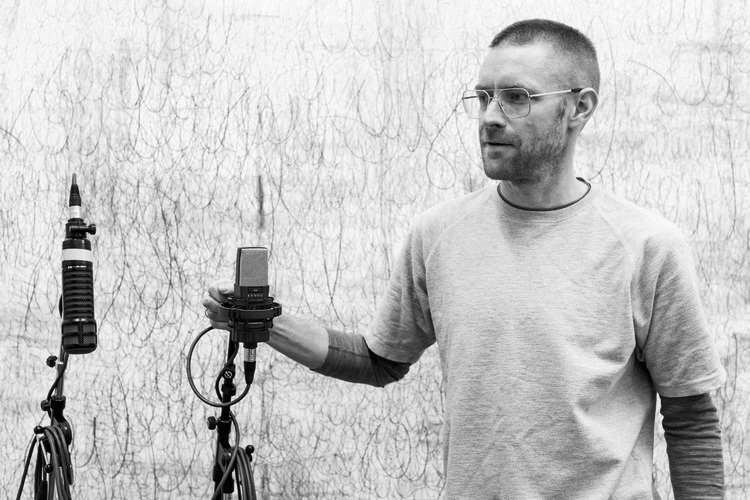
Successful Musician Podcast Episode 65
Interviewee: Thomas Haines
Interviewer: Jason Tonioli
Jason Tonioli
Welcome to the podcast today. My special guest is Thomas Haines, coming from the UK. And Thomas is a… Man, you are a multi-talented sound, music, TV. You’ve done a ton of stuff for TV, film, animation, from the research I’ve done, Tom, the animation has really been something you guys, you and your team have really dialed in, and I think have done a phenomenal job with everything I’ve looked at. You’ve done some amazing projects from everything from, you’ve got a brand new Netflix, The Wolf King, little mini-series. The music’s incredible, by the way, on that. But you’ve done a lot of other virtual types of immersive audio stuff that I think is just a really fun thing. So welcome to the show. I’m excited to have you. And I know you’ve got from our conversation before this, you’ve got some incredible stories and just some things that I think people are going to really dig. So thank you for being here today.
Tom Haines
Thanks for the introduction. I’m very flattered.
Jason Tonioli
Well, so Thomas, I like to give a where people have come from. A lot of the people that listen to this enjoy hearing the stories, and they’re probably sitting in that seat and like, Could I do that? Or we have that imposter syndrome where we don’t think we can be a musician, and I think it helps to hear the origin stories of people who are doing really cool things in music. So, let’s go back to, how in the world did you end up with a company that has several people on your team at Brain Audio that are doing such cool projects?
Tom Haines
That’s a great question. We’ve got a small team here at Brain Audio. We’ve got a team of sound designers and composers, and we have a producer and a studio manager as well. We all come from really diverse paths into the industry. I hope that we can delve into that a bit today because I love your podcast and I love listening to the various ways that composers and musicians have managed to make things work for themselves and their comrades.
We’re a small company. We’ve recently done this. It’s a big show for us, Wolf King, for Netflix, which is a fantasy adventure show, which is absolutely full of music and sound. As you can imagine, it’s quite a fun thing to work on. Lots of creatures, lots of chases, people falling in love, falling off things, creatures changing from… People change from human form into their wear forms. A great challenge for the scoring and sound design of a show. But we come from, I guess, we got into doing that through working in all sorts of places over the years. I started this business with my good friend Chris Branch.
And we’ve worked, not only have we worked in animation and theater, but we’ve done lots of TV scores, loads of ultra independent film work. We do lots of nonlinear AR and VR work as well. And the background for that is that animators that we’ve worked with over the years have branched into those emerging storytelling technologies. Then we all have an avid interest in fine art and installation sound here as well.
Jason Tonioli
But I think- I’m just curious. You’re doing these incredible projects. How does one actually arrive there? I know you said you’ve got a piano and you’re a percussion guy. As a kid, did you have the mom that made you practice piano? What’s your path? I look at this as like, wow, he’s got this incredible project. You guys have done tons of projects, but you’ve got a company. How does one get there from being a baby in diapers to where you are today?
Tom Haines
Yeah, good question. I grew up in a county called Cornwall, which is the most westerly tip of the UK, in a tiny little village.
Jason Tonioli
Where the Poldark series was done there, right?
Tom Haines
Precisely, yes. Exactly that. It wasn’t so dissimilar from Poldark when I was growing up. It was a while ago. There was an amazing county music service when I was growing up. In the local town, one evening when I was at primary school, so it must have been eight or nine years old, they had an open evening at the local music center. As a child, you could go and queue up and you could go and try out the instruments that you could possibly go and study. I remember trying out a clarinet and a trumpet, and then I walked down the corridor and there was this room. It was in an old Victorian school, up a hill in Truro. And I walked down this corridor and through a door, and there’s a room there full of percussion instruments. And it’s indelibly etched in my memory, this room. I can still smell the first time I went into the room. And I queued up and we got to have a go on a few of the instruments, and I immediately knew that I was absolutely hooked. That’s what I wanted to do. I met my first music teacher there; it was a chap called Paul Heilly.
I started learning percussion. Back then at school, you could have free music lessons and instrumental lessons. I had a half an hour a week of one-on-one teaching at school. Off the back of that, I got to learn the piano. As a formative experience, we were absolutely blessed in this country. Unfortunately, free school music lessons don’t exist anymore.
Jason Tonioli
It doesn’t happen anymore.
Tom Haines
It’s gone. No, it’s gone. Unfortunately, the cuts have put the Rang death nail for that. I was lucky enough to go through that system, and I ended up going to Music College. I went to the Guildhall School of Music and Drama after that and studied composition. I studied classical composition. But as I was at Guildhall, I also got the opportunity to go and work with art students at the Royal College of Art, which actually, thinking back, I probably spent more time at the Royal College of Art than I did at the guild hall, because I met a fantastic group of people there, and especially at like-minded people who were making films and animation and installation work. We had a creative common ground. Even though I was a composer, people thought that my friends were visual artists. They started to… Once we graduated, a few of my friends started to work commercially, and they started to work in commercials and making short films and working on films and making documentaries. I ended up scoring those films and making sound for them. In some ways, it was an accident, but then it became something that me and my business partner at the time, we could actually charge money for making the music for an advert.
In amongst that, I also taught music to subsidize my income when I was in my 20s. That was a really great experience as well. To cut a long story short, I went through… I had music lessons at school. I went to university to study composition at a great music college. But also, outside of the education system was actually as important as studying. Hanging out in the bar at the Art College was probably more fruitful for my career than studying counterpoint at music college.
Jason Tonioli
You came up through the traditional path. If you’re going back to that time, do you give yourself advice to say, Go hang out in the bar more? What do you take as the really valuable parts and what do you wish you maybe would have realized at the time.
Tom Haines
Well, yeah, I think there’s a lot to be said, actually. 12:08 Education isn’t everything, I think, when you’re starting out. I think talking about music, going and seeing gigs, going and seeing art, watching films, finding your people. When I was younger, I had a series of bands when I was a teenager. I was lucky to find out that you could turn up at a pub in Cornwall and play. We used to have a band that played, how would I describe it? We played quite sleazy disco versions of popular TV theme tunes. We put the thing together as a… It was fun. It was a project that we did this summer. We rehearsed in my friend Tim’s garage, and we rang up the pubs and we went out and played the music. Because we played these recognizable tunes, but in this quite unusual way, people were really tickled by it. We had a really good weekly gig in this one pub up on the North Coast where there were old gnarly Cornish fishermen regulars in there but also loads of surfers. Then there were holiday makers there as well. After half an hour of us playing, everyone was having a knee up together, and it was like, wow, that music is like…
I think we were lucky to learn quite young that music is this weirdly powerful thing that we don’t fully understand, but it can really make a room full of people have a great night in a way that they would never have imagined. But also, at the end of the day, as a 17-year-old, I also realized that we could also bill the landlord for that. At the end of the night, we would actually be paid for our night’s work. That was quite a unique experience, I think, for somebody growing up, and that’s all prior to going to music college. That stuff, in a way, that’s closer to the stuff I’m doing these days. Obviously, I learned this incredible toolkit as a classical composer when I went to music college, but also the experience of entertaining people in the pub when you’re a teenager, that’s really formative and it’s important. But also the direct relationship between the audience and yourself. When you’re composing on the screen, you can be making music for two years, as I just have been. There’s a very small amount of people that are responding to the music you’re making, and then it goes out into the big wide world, and you don’t get that really instant, tangible experience.
You do in the theater, and that’s something that my business partner and often writing partner, Chris Branch and I, we’ve done a lot of work in the theater. The interesting thing about working in the theater is you can play the same piece of music on different nights, and it means something completely different because the audience has responded to the play in a different way. It’s good to be reminded of the fact that we don’t actually understand why music works and why it has an effect on people. It’s often really surprising. I think in a way, you can’t be taught that. You have to make stuff and take it into public, play it to your friends, whatever. 16:07 Making music and putting it out there into the world and seeing how people react is the most fun thing you can possibly do as a musician. I think if you’re stuck behind a computer like I am to a large extent these days, that’s an experience that is definitely worth trying to cultivate yourself. If you can possibly put yourself in a position, you’re able to play music directly to people, then… It sounds like a crazy thing to say, doesn’t it? But it’s a very valuable thing to do, especially, like I say, if you’re behind a computer screen.
Jason Tonioli
I think a lot of… I look at my younger days as well. It’s scary sometimes to put yourself out there, whether it’s playing in front of people in a bar or even going up in church to play a tune or a prelude. You think everybody’s It amazes me sometimes how really talented musicians get so nervous. It’s like, I’ve heard some of these people come in and it’s like, I’ve heard you in person when it’s just you and you’re not worried about somebody, whether they think you’re good or not good, or if you’re scared, you’re going to mess up. And some of the greatest performances and just those emotional things sometimes come from that. But as soon as you start putting yourself out there and being willing to share a piece of yourself, with that music, and you allow somebody else to connect, whether it’s your mom in the other room or whether it’s the whole theater full of people, I think as soon as musicians can have that experience, all of a sudden, There’s some emotional connection, higher power, whatever you want to call it. Like you said, you can’t really explain it. But when you have those moments, they’re special.
I think it impacts you as a player or somebody who’s involved in that. Even if you’re like behind the soundboard, there’s times where I know that room fills with something and you can’t describe it, you can’t capture it on your phone. But it’s a thing. And I think that’s great advice as you look back on, as you’re sharing, that was that change for you as being in the bars and having those experiences.
Tom Haines
Yeah, yeah, absolutely. But it’s amazing stuff. And we have great fun here bouncing ideas off. I guess our audience here in the studio is us. When we were working on this show recently, Steve Bond, the re-recording mixer, would be in the room where I am now mixing the show. Then I’m in the room next door doing the soundtrack, and we’d constantly be popping into each other’s rooms. Then Carlos Sinewan is around the corner doing the Foley and cutting the sound effects. It was a bit like working. It was a bit like being in a band, except the band had one composer and two sound designers in it. Then, like you were just saying about, you mentioned nerves. We had this cycle of… On an episode, you have two weeks to make an episode of the show, and it’s a lot to do. You watch the show and every single sound in the show, every single note, it’s all of us with our hands and microphones. We made the whole thing. We have to sometimes remind ourselves. It’s a huge undertaking to do that. We would get the thing up and running. The sound design would start; the score would start. But as the two weeks progressed, at the end of the two weeks, there would be the director, the producers, and sometimes the executives would be in the studio. We would be nervous, like a band just about to go on stage, no different than that. It’s fun. I genuinely, I think musicians enjoy being in that state.
Jason Tonioli
It’s terrifying, but it’s one of those… It’s like some extreme sport type of thing where you get that high after you get it done and over with, right?
Tom Haines
Yeah. A friend of mine calls it type 2 fun. And I think it’s like, 20:49 don’t be afraid of being nervous about something. If you’re afraid of something, it means you care about it. If you’ve made some music and you’re just about to play it to, let’s say, you’re nervous, you’ve made this music and you don’t know whether the director is going to like it or not, or you’re going to get a sea of notes back from something. It’s good that you’re nervous because it means that you care about it because you’ve put your emotional thing into this work and you want somebody to like it. But at the same time, you might get stuck on things either, or you have to be able to respond to feedback. You might get a page of feedback and, hey, it might be right. You might have gone down the wrong path. You also have to be emotional. I’m not really intelligent enough as a composer, I think, to respond to that and go, okay, that’s not what I wanted to hear, but maybe it’s right. Then sometimes you have to start again. Then maybe the next time, you’re even more nervous when you’re sending the thing off for review. But it’s good. Nerves are good.
Jason Tonioli
Yeah. Well, doing this type of… It’s almost like this fantasy music type of score that you guys got to do on this. I know that’s something that a lot of people think, I want to be a composer, do soundtracks. And there’s so many of us that love… I mean, we’ve fallen in love with Hans Zimmer and John, all these just amazing composers. What do you feel like have been the key things for you that have helped lead up to a project of this? This newest project, I think that’s that dream project for a lot of people. What are some of those key things that you feel like, Man, if I could go back and tell myself this a little bit sooner, I could have done more of these?
Tom Haines
That’s a good question. I think don’t underestimate what you already know. That would be something that… If I look at the soundtrack to Wolf King, it’s an orchestra soundtrack that’s got loads of electronic stuff in it. We didn’t want to make a soundtrack that was… It’s in a science fiction medieval world. We didn’t want to make… We didn’t want to use lutes and flutes. We wanted to remove it from there, so we decided to make a soundtrack. I will answer the question in a minute. But it’s like we wanted to make a soundtrack that was visceral and electronic and exciting and modern, but in a way that could potentially have been played in the world of Wolf King. So, it was like all of the sounds that we decided to make were raw primordial sounds, basic sounds, nothing that sounds like, oh, that sounds like it was in the ’90s. If you can imagine some creature at the back of a cavern somewhere with a synthesizer in the show, it would have been made by that. But actually, when I think about when I was growing up, I was lucky enough to be in the local youth orchestra playing classical music, but I was also surrounded by techno and rave culture in the Southwest. I remember I was at school. We started sharing these tapes in the… It was the early ’90s, and I remember taking a tape of rave music down to the… It was a techno mixtape, I can remember, and I took it to the local music shop, and I played it to them, and I was like, What’s that instrument? I need to know what that instrument is. In hindsight, it was a Roland 303 acid synthesizer. Because in the music shop, they sold homes and organs to people. They didn’t know what it was, and they were slightly alarmed by the music I was playing. But in a weird way, that music that I was into when I was 13, when I went into that music shop with that tape, having been to the classical music rehearsal up the road, is the work that I did on Wolf King. It’s exactly the same. It’s classical music with electronic stuff. But even where I grew up in Cornwall, it’s full of old stories of creatures. In the next village from where I grew up, there was an owl man who lived in the woods, and it was like a local legend.
But he could quite easily have been a character in the show that I’ve just written the music for. I guess what my advice would be is 26:00 don’t put yourself in a box. You got to celebrate who you are because at some point you’ll get the opportunity with practice and diligence and a healthy spirit of making stuff every day. What drove you when you were 13 to become a better musician is still… I’m 47 now, and I’m still basically the same person that I was when I was then. I’m a bit better at capturing those ideas and putting them into projects. I didn’t know how to do it when I was 13, but I do now.
Jason Tonioli
As you look back on, I mean, is there any one moment where you had that aha moment or the, some people call it the call. You receive inspiration or the confirmation that you’re like, this is my calling. This is my thing I’m supposed to do in life. Is there any, and maybe you don’t feel like you’re still, I mean, I think we’re always exploring and that’s evolving, but is there any… As you look at where you are today, is there any… What’s that moment where you’re like, okay, that’s what I need to do, and I want to figure out how to do more of that?
Tom Haines
Yeah. So, I think you just touched on it. I’m not sure. I think that’s a very slow unfurling process in my case. You mentioned, didn’t you? What advice would you go back and give your previous self? And it’s like, I’ve managed to make ends meet over the last 25 years, working in all sorts of different places, and I’ve not specialized. I’ve not said, right, I’m going to be a soundtrack composer. I’ve been lucky in a way that I’ve not done that. The difficult thing about not doing that is that people go, well, what do you do? I want to have an expert in this exact thing to work on this project. But the fun thing about music is that there’s so many things you can do with music. I think it’s possible these days to… I think the term is portfolio musician, and it’s you can… As we were talking, we were talking before the interview about various strands of our businesses and how we make ends meet. It’s like no one is going to pay the bills. You have to be spinning loads of plates. I think if somebody says you need to specialize when you’re young, I think these days not so much.
28:45 People at music college were like, you have to specialize if you’re going to be successful. I think I would say the opposite. I think you should find out what makes you make the best music that you possibly can. Find out how you need to feel in order to make music? What time of day do you make music best? Make that time of day, lock it away, put it in a box, make sure that’s your time if you can possibly do that. You don’t have to specialize, but what you do have to do is you have to be yourself, and you have to practice being yourself. You have to practice making the music that you want to make, and you have to make it every day. You can think about it all you like, but there’s a brilliant David Lynch book. It’s called Catching the Big Fish. I’m going to paraphrase. The book is about practice. But there’s one bit that really tickled me in the book, and it was like, if you want to go out and catch a fish, you actually have to go fishing. I love that because it’s so simple.
30:01 If you want to make music, music for a living, you just have to make music. Whether you’re being paid to make music or not, you just have to make music every day. You have to practice making music every day. Whether that’s sitting down and playing your instrument or recording something or playing with an idea, that’s the stuff that people…potential clients or directors, they want to work with somebody that is just making stuff all the time. It’s like exercising a muscle. If you’re making music all day, every day, then when it comes to the deadline, I’ve just been hired to do this job, and, oh, God, I’ve got eight days to do the whole thing, you’re in good practice. It’s really important. You can’t sit around waiting to be asked to do things. You have to practice, figure things out. Sometimes when making music you have this brilliant idea conceptually, and it’s not until you actually sit down and try and make it that you realize there’s fundamental problems with that idea, and you have to completely rethink the whole thing. But actually, until you’ve got your fingers on it or however, you’re making your music, it’s really important to try failing quickly.
It’s no bad thing. Make music quickly and play it to people. Don’t spend five days mixing it because the person you’re making it for might not like it. The person you’re making the music for can tell pretty quickly whether they like the tune that you’ve made or not. No amount of finessing it is going to make it. Make three bits of music. Spend half a day making three bits of music. Don’t spend five days making one bit of music really polished.
Jason Tonioli
You talked a little bit about success, and you said you’ve been able to make ends meet and pay the bills. And you said that back when you were in school, they said in order to be successful, you needed to be specialized in that. But I’m just curious how, what would you define as a successful musician now? What do you define as success? Because I’m sure that’s changed over the years and your opinions and knowledge and wisdom has changed. So, what do you view that as today?
Tom Haines
So, defining somebody that’s successful, somebody that’s happy, somebody that really wants to play you their music, somebody that’s That would be successful. Somebody that’s proud of the work that they do. It’s very simple, I think. It’s difficult to make music. It’s a long journey to actually making music that you like yourself and that other people like. It’s like being comfortable with that as a musician is like… It’s why musicians get nervous, isn’t it? It’s because they’re like, God, I’m nervous about playing this music. It’s my music. It’s me that I’m putting in front of people. 33:21 I think a successful musician is somebody that’s confident in their own music. That takes work and a thick skin sometimes as well. You have to be able to take criticism and not take it… Like I was saying earlier on, you have to have… You have to develop your armor in a way. But yeah, successful musicians, it’s definitely not a money thing. But it’s also somebody that has surrounded themselves with musicians, like friends. When I was really young, I found my people in the various musically talented, strange, young, Cornish music making people, and we made bands, and they became my friends, and they still are.
People that are successful in music are people that have these long-standing relationships with musical relationships with people that are genuinely… Also people that have had a long career and still love music. I’ve definitely met people that have reached the end, that never want to hear any music again. I think you need to work on that. That’s something you need to stay engaged as an artist and be inspired and make sure that you engage in your local musical community and support your friends in their endeavors. It’s like music is a collective art form, and it’s not always a collective art form. Sometimes music is closer to fine art, obviously. But it’s something that we all share. It’s something that we all share this passion for. I think a successful musician is a happy musician with musical friends and a musical scene. They’re probably in a band that they like playing in.
Jason Tonioli
That would be a I love how you talk about having that confidence. I’m just thinking on my own journey. I think I used to always worry about what other people would think. Did my piano teacher approve of it? Did my mom approve of it? The kids at school, if I was going to put myself out there and play something on the piano at school, I wanted people to like what I did. I think a lot of times I put a lot of… I remember the competition, they called it a solo ensemble, and you’d go, and you’d have some piano teacher your judge person tell you if you were superior, superior minus, or great. They always told you were good, but you were always trying to be, I want the A plus type of grade. And I think for me, I didn’t find a lot of joy in the music until I stopped caring whether anybody liked it or not. And it was one of those transformational things where I was doing it for me. And luckily for my music, it was stuff that was stuff that people liked. But I know there’s musicians out there that play some weird instrument, or maybe they’ve invented their own instrument, and it’s for 99.9% of the population, it’s probably not very pleasant. Nobody wants to listen to it. But I think you nailed it if it makes you happy and it brings you joy. Music is one of those things I think as soon as you can figure out, I’m doing this for me, and it’s just a bonus that, cool. Other people think it’s cool, too, or liked it. That’s great. But I think we sometimes put way too much, I don’t know, we just put too much credibility on somebody else’s thought of how something is supposed to be. I think I like Beethoven or Rachmaninoff and these songs. I’d play on the piano back in the day, and I would change Beethoven, and some people think that’s a terrible thing. Beethoven is going to haunt me in my dreams. And really, it’s like, at the moment, I was feeling this way, I would have changed it this way, and I’m playing for me. I’m not like… I think the sooner you start as a musician, you can find that transformation where, yes, there’s times you need to impress your piano teacher, whatever it is. But I think real joy and success in music is recognizing why you’re doing it to have those moments.
Tom Haines
Yeah, absolutely. If you can seek out those If you can make the probability that you’re going to have these experiences in music, making the… I think as a composer, it’s like part of the job of being a composer is making sure that the likelihood of you being in a situation where you’re going to have a musical experience or you’re going to be challenged to have some ideas or a reaction to something, or making the probability that that magic, whatever it is, is going to happen is really important. It can be something really mundane.
We had an intern in the studio a few years ago, and they kindly offered to make the tea for us, and they were in for a week from City University. I thought, Brilliant. I won’t be walking out the room and boiling the kettle. Great. After the week, I was like, I had. That was a really weird week because I don’t think my ideas weren’t flowing in the way that they used to be. I figured out that actually I write most of my music when I’m in the kitchen boiling the kettle. That’s when the ideas come, and it’s like the sound of the water boiling just blots everything out.
I have this moment, like two or three minutes of peace, and it’s like, I could do… I’m thinking about what I’m going to do when I go back into the studio. I know exactly what I’m going to do having done this, having boiled the kettle and made myself a cup of tea. I realized that after a week of not having great ideas because I hadn’t left the room and hadn’t had this… Now I realize that that’s part of the way I work. I have to step out, put the kettle on, or whatever it is. It’s like knowing as a musician, looking after those moments that make having ideas come easier. Everyone’s different. You know.
Jason Tonioli
I’m curious, your thoughts on these younger composers or somebody that just hasn’t had a chance to do such a cool project like you just, you know, finished up. How, I mean, pushing yourself to do a Netflix show or any show where you’ve got these deadlines where it might be eight hours or eight days, but it’s like these super tight deadlines. I compare it to, I was just down in San Diego with family over spring break, and my brother-in-law ran a half or did a half Ironman. It’s just he prepared for months and months to do that race. We’ve got in our studio here, we’ve got a group of people that come in. This is their fifth year in a row. They call it the 24-hour challenge, and they literally show up at nine in the morning. For 24 hours, their goal is to write, coming with nothing in mind, write an entire album, record it, and do everything but the final mixing stuff on these songs in 24 hours and go all night long. And I’m just curious, how do you, I mean, I don’t know whether you compare your doing these scores like you’ve done to that, and how in the world do you, what advice can you give to that younger person to be like, Okay, you’re 20 years old now, or this is your first time doing it. How do you get to be able to run that marathon or the Ironman type of event?
Tom Haines
Yeah, practicing. Homework is everything, I think. Practicing. In a way, I’m lucky because I grew up in… I started learning how to record music in a period where you had to… It was quite difficult. You had to read loads of manuals in order to get there. In a way, I’ve done loads of homework in 25 years, so you can see, sometimes there’s a fork in the road, and one fork could take four hours on a production, and one fork would take half an hour. And it’s like, unless I’d taken both of those forks, I’d know which one to take. That comes through practice. It’s not always working on commercial work. It might be working on… It might be rehearsing. You learn about music every time you play music. It’s all the same. It’s all the same thing. I always say that basically all of music in film and on TV is essentially, it’s very close… I’m not a huge opera fan, but it’s really operatic what I have to do for a living. It’s about writing themes. It’s about a character who comes onto the screen, and you hear their theme, and you go, Oh, okay.
Or you set up a theme in the show for a group of people and how they feel about the future. Every time that they have that situation, you write that cue. But it’s like that idea might have come from a theater show that I did 15 years ago or that technique or something. It’s like, yeah, practice. But it’s also like with a deadline, okay, so we were working with deadlines and it would be like, let’s say it’s like it’s midnight and I need to go home. I’m dog tired, but I’ve got a huge, I’m getting to the end of a big chase sequence in Wolf King and it’s like, oh my God, I’m reading the feedback from the executive producer that says, Right, at this moment, you’ve got to turn up the gas on this moment. It’s like it needs to go to, quote, spinal tap. It needs to go to 11: 00. I’m there thinking, My God, everything’s going. There’s a huge percussion thing. It’s like, how on Earth am I going to… Can I turn up the tension on this? How am I going to do it? So, you then go back through your library of like, well, so I would go, well, how would any of your Morricone have done this?
This moment? Or how would John Carpenter have done this moment? Maybe that’s a better thing. He did lots of films with creatures in. It’d be midnight and I’d go, right, I can’t. As a composer, I’ve run out of ideas. I don’t know. But how would John Carpenter do this? It’s like, Oh, yes. Okay. He would probably cut out everything, and he’d put a big melody at this moment. It’s like, Thanks, John. That’s what I would do. How Had I not spent my 20s watching John Carpenter films, I wouldn’t have known the answer to that question at that time. Everything you do as a musician is working. You go to the cinema, you study the thing that you’re watching. Why do you feel that way when you’re in that scene? Cutting the music is as powerful as bringing something in. What you don’t do is… And obviously, Wolf King is not a great example of that because it’s absolutely wall-to-wall music. But it’s like, how do you… The challenge of scoring something like that is there’s a five-minute action sequence, but in the middle of it, there would be 10 seconds where somebody was mortally wounded, and its really harsh pathos for a second.
Then, wham, you’re straight back into the action again. But during that chase sequence, there’s a love story going on. It’s like, How do you thread that in there as well? You have to… All of those little things that you’ve learned along the way by watching films, listening to music, listening to music, figure out why it’s making you feel like that? How does that one cord make me feel like that? Wow, what is that cord? It’s like making pickles in the kitchen. You have to be. You have to make these things and store them in your mind palace on your composer’s shelf for deployment at the right time. It may be 20 years before you have to use that technique but learn it.
Jason Tonioli
You talked about an intern. Obviously, whoever’s going to be your intern, you don’t want to have them making your tea anymore because you need that boiling kettle. But for somebody just coming out of school or studying in school, how in the world does one land like What do you think of that cool new job? Do they just need to go on and figure out, Okay, this looks like a really cool place, or Here’s somebody who did music for this. I’m just going to reach out and say, Can I come work for you for free? When you don’t know anybody, I think that’s a really difficult spot when you’re new. What would you say works, I guess for your group, but even other people that are doing similar things that you know of?
Tom Haines
When I was in my early 20s, my business partner and I literally walked around Soho. We made some DVD showreels, and we put them in jiffy bags, and we literally walked around Soho in London, which is where all of the media companies were back then. There’s still a lot there, but we had this, and it took us three or four days, and we walked around and knocked on it. We literally knocked on doors, and we were asked to leave from various places, but we were all. We also met a handful. And so we made 100 of these showreels, and we ended up working with two people off the back of that. And we’re still friends with them, and they thought we were crazy because we were walking into the… It’s like, who walks into your office and says, Here’s my showreel? Now, I know these days, it’s difficult. How do you do that these days? How are you… People get… How do you mail people to you? If there’s any way that you can get into a room with somebody and talk to them, and it’s like, the way you do that is for me, it’s the best… so film festivals.
London Film Festival. We had a couple of films at the London Film Festival last year, and it was just great for going and meeting people and talking. There were Q & A’s after the films, and you just had to. You have to pack up your nerves and go, no, the future me wants to work with this director. There’s no other way to do it but to go and say hello. You’re going to say hello to… And you have to make that; you have to make that a thing. So, festivals are really good. Networking opportunities. I know that over the years here, the PRS, the rights management, we also have the Musicians Union and the Ivors, going and meeting people. Shadowing people is another great way, but it’s really important to try and get in the same room as people and say hello, I’d say. It’s really hard doing stuff online. But it’s also incredibly nerve-wracking going and talking to people, blind. It’s terrifying. I still get terrified by doing it, but I do it and I make myself do it. It’s a bit like going on stage and playing a piece of music in front of an audience.
It’s really nerve-wracking. But once you’ve done it a few times, you get used to it, and it’s good professionally to make your skin as thick as you possibly can. But doors only open if you push them yourself. You have to reach out, put your hand on the door handle and open the thing up and see what’s on the other side and put your best smile on and talk and be yourself. Unfortunately, it’s statistics. It’s also, unfortunately, a bit of a statistics game as well. It’s a game.
Jason Tonioli
You have to hustle. I love that story. You got 100 of these packets and a 2% success rate. The funny thing is, I was a marketing guy and we used to mail junk mail out all the time. I don’t know how many trees I killed in the process of doing that, but we’d be thrilled with a 1% or two % success rate. But I think if you can identify that right audience, you can probably get a little better at that. But timing, I think, is obviously some of those other people that you maybe some of the hundred you did future work with. But it’s a combo of timing and just hustling and getting out there.
Tom Haines
You know, it’s like you learn different things as well. We learned about when we went knocking on doors, there were some places we were knocking on the door and they had them, it was the early days of people having websites, and they had these incredibly impressive websites. And then you’d knock on the door and realize that it was just a post office box, and there was no company there. Then other places that had flashy websites were just an old guy in the corner of a room in a shared office somewhere. And then there were other companies that had almost nothing on their website, and it looked like they were going to be a post office box. And it was a three-storey building in the middle of Soho with 100 people working in it and five dubbing theaters. And it was the reality of what’s behind the doors or what’s behind people’s websites. The two things don’t often line up. And you don’t get that experience unless you go knock on doors. Now, it’s difficult if you don’t live in the city where the industry is, isn’t it? You have to figure it out, you have to travel, you have to go to festivals or networking opportunities. It takes a bit of courage to do that.
Jason Tonioli
Yeah. Oh, man, Thomas, we’re like way over time. But, man, I feel like you’ve provided so many words of wisdom and just gold nuggets for people along the way. I love your story of how, really, it comes down to working hard and hustling and just doing it over and over and over again. I’m going to go watch it. I’ve listened to pieces of this Wolf King, but it’s for sure going to be on my list. But you’ve got to keep doing what you’re doing. I mean, I just commend you and applaud what you’re doing. And thank you for sharing your talents and hustling over the years to get to where you’re at. I look forward to hearing other things that you come out with and I feel like I’ve made a new friend for sure. So, thank you.
Tom Haines
Thank you. Well, thanks for having me on the show. And I just think the show is awesome. And just what a great resource for musicians all over the world to be able to share stories. And like I was saying before we spoke earlier on about what’s interesting about the episodes that I’ve listened to is a lot of musicians’ journeys, on the surface, they’re It’s quite similar. But then actually, when you dig deep, you realize that people have had to really work. Everyone’s story is so different, and people find their ways in their own ways. It’s really inspiring listening to people’s stories.
Jason Tonioli
Well, thank you. Thomas, for people, if they want to find out, I’m going to put some links in the show notes that people can check out. But for people to find you, I know your website’s BrainAudio, but it’s AUD. Io, right? Is the website.
Tom Haines
Right, brainaud. Io. Yes, exactly. And that’s got, it’s fairly up to date, I’d say, in what we’ve been up to lately.
Jason Tonioli
And I’m sure there are several cool things that you can’t even talk about that are in the works right now. But I just recommend you do that. Go check out in the show notes. Go listen to some of these samples. We’ll put the IMDb, some links in there so you can check out some of the other shows these guys have done, but just some really talented people doing some very, very cool projects. Definitely worth checking out if you’re a soundtrack aficionado or just like cool music in general. Thank you so much for being on the show, Thomas.
Tom Haines
Hey, thank you very much.