
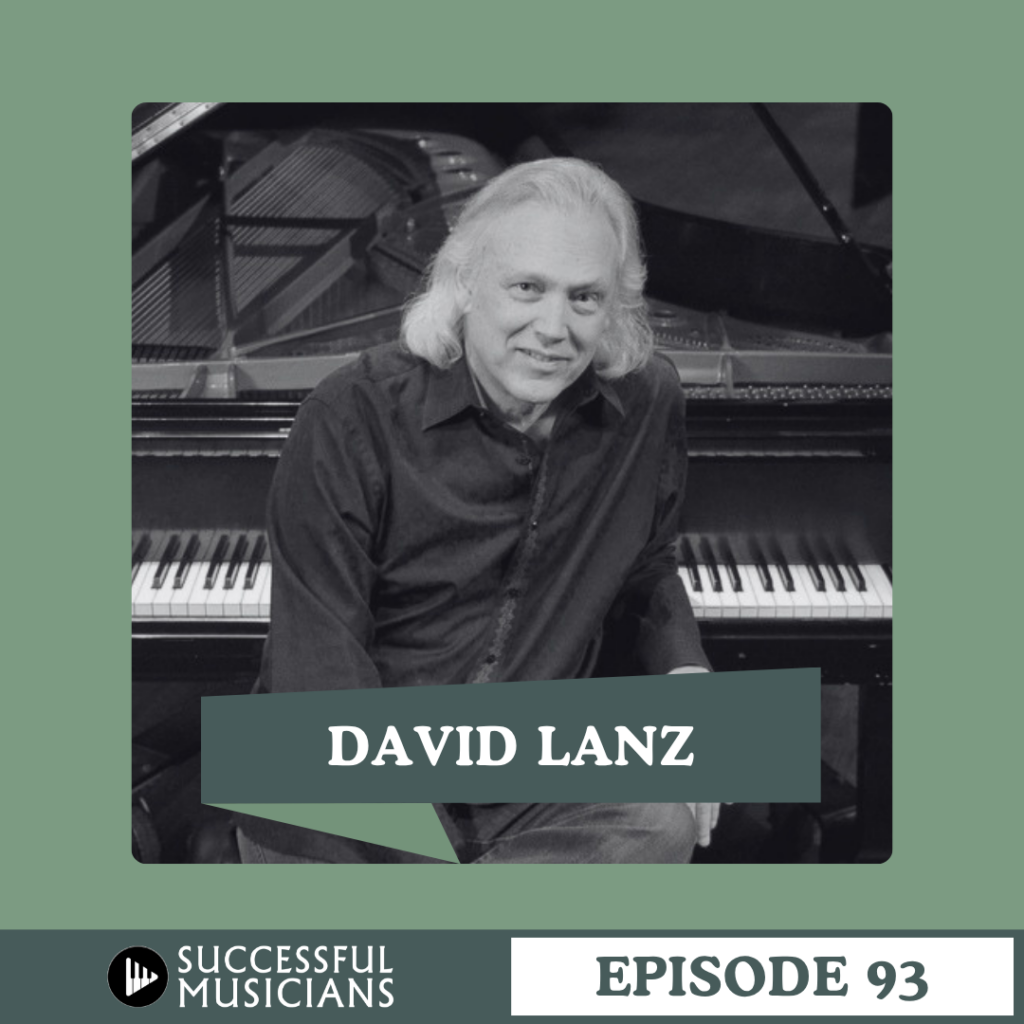
Successful Musicians Podcast
Interviewee: David Lanz
Interviewer: Jason Tonioli
Jason Tonioli: Welcome to the podcast today. My name is Jason Tonioli, and my special guest is David Lanz. We are talking clear across the world in on the island of Cyprus. Right, David? You’re a long way away.
David Lanz: Yeah, that’s yeah, yeah. We’re here in Cyprus. It’s the gateway to the Middle East and Europe or kind of right there in the middle.
Jason Tonioli: It for any anybody who likes geography, I had to actually I looked up I thought I knew where Cyprus was and I was almost right. But it sits just north of Egypt and it’s south of Turkey and you’re kinda right there on the Middle East, Beirut and all those areas are very close to you as well.
David Lanz: We’re very yeah, we’re very close. It’s still very European here. There are two languages here. People speak English because the British used to be part of the Commonwealth many years ago. And everybody speaks Greek. So, it’s kind of a Greek English but there’s you know, a lot of people are coming here to pick they are people from Russia and China, and Eastern European. Folks seem to like Cyprus in the weather. It’s pretty nice. It’s kinda like California.
Jason Tonioli: Yeah.
Jason Tonioli: Well for those of you that don’t know the name David Lanz, David’s a Grammy nominated piano pianist and composer. David, I know your you’re kinda your best known probably song is Cristofori’s Dream that I think a I mean, a lot of people have heard that song. I know it sold millions of copies and back when they had copies that we sold and then it’s you know, it’s just continued to be one of those like iconic songs that in a lot of ways I think kind of help shape the new age piano world and you’ve been at music for a long time. I think you’re over four decades now of playing music and you’ve released just dozens and dozens of albums. What I found interesting is over when I looked at kind of your catalog of what you’ve done for albums, you have almost released an album every year or more. And so, it’s just been one of those where you have been at it hard at work for a long, long time. And I mean I’d like to kinda share a quick story and then just have you share your background. So, what’s interesting for me is so I was in high school in the nineties and I was just starting to play piano, starting to write piano songs and was figuring out I can I can make stuff up on the piano. And you had an album that was a Christmas book or a Christmas album that came out. It was called Christmas Eve. And
David Lanz: Sure.
David Lanz: Christmas Eve, yeah.
Jason Tonioli: loved playing out of that book. And I think and I don’t even remember what I did, but I somehow found where the internet didn’t exist. I somehow found or wrote you a letter, and you wrote a letter back to me. I actually just confirmed this with my mom today before our call and she’s like, yeah David Lanz wrote you this letter back. What was what I thought was so cool is you hand wrote a letter back to this teenage kid and took time to do it. You probably don’t even remember doing that. But
David Lanz: Hm.
Jason Tonioli: You told me to keep writing music and you said at the very end it said follow your dreams. And I just I just want to say thank you from as a as a younger me saying, Wow, that like it made me kind of stop and thought, Wow, this big name guy that’s all over I mean you have music videos and your song was like it was one of my favorite songs I and albums I’ve ever done. He took the time to mentor and just encourage me. And I anyway, I thought that was cool. But I want to say thank
David Lanz: Yeah, that’s great.
Jason Tonioli: Thank you for that. But I wanna kinda get into your story a little bit and kind of rewind the clock back just so people know where you came from, because you were you didn’t start out as a piano musician. I think you were kind of a jazz rocker type of musician back when you started, right?
David Lanz: Well, actually, you know, if starting at the age of four. I started piano lessons and I you know, I played you know, some l very light classical music and more modern stuff. But my teacher said I had a gift. It’s kind of an emotional gift; it never was a technical gift. So, I played a lot of sad Russian music as a child. That’s what my music still sounds like. But so no, and then by the time I was ten, eleven or twelve years old, really what I wanted to do was play boogie woogie, because that’s what my mom played as I grew up. I remember hearing that. So, I basically fired my piano teacher, and I started I started making up my own music. Time I was thirteen or so, I had my first little my best friend lived across the street, had a drum set. So, we started a w a band and then we brought in another friend who played the bass and then I kinda kept building on my garage to rock tendencies and continued playing in rock and roll bands and into my early twenties. And then I got more interested in jazz and funky music and so you know, I just kinda kept following the kinds of music that at that time were appealing to me. And then I eventually kinda ended up playing some, you know, some fusion like some weather report and things that were a little more advanced, you know, for sure. And then what happened was I kind of I kind of started to be a little more interested in my own spiritual path and I started to meditate and became a lot more introspective. And I started looking at my music and I just asked one question, kind of an in I said, I asked a question, I said, What does the world need? Do they need another great jazz musician? You know, do they need I mean, what is what does the world need?
David Lanz: And the answer came back right away. It says the world needs to be healed. And I thought, wow, very cool. So, I took that as kind of my motto and I started to look at music and music, the modalities of music and how it was used in healing. Going way back thousands of years, they started using music. They would have harp players play, and they would have them play certain songs that would help people’s stress and different kinds of illness. And then I discovered a man named Stephen Halpern. I know if you know Stephen Halpern. He’s called the father, the grandfather of New Age music. God bless Stephen. He’s still around. You should check him out. He’s great. Anyway, he put out an album in the 70s called The Spectrum Suite. And what he did was he went through the keys, just the basic pen or yeah diatonic key, C D E F G A B. And on Offender Rhodes by himself, he just kind of improvised in a C scale and then in a D scale and then in an E. And he went through all these different keys. And I really liked the feeling that he was evoking, the mood, but there wasn’t any structure to it. So, as I listened to that, I went, wow, maybe I think it inspired me to say, I think I’ll do I could do the same thing, you know, make the music simple. You know, get rid of all the kind of jazz chords and everything and be more diatonic. But create melodies. My thought was I like to instead of making it this so floaty and just kind of cosmic, you know, music, which is what kind of a lot of the New Age music was, especially at that time. I thought, why don’t I write some songs using these really simple forms, something that my mother or my grandmother would like. And I thought, because they would be the test. It’s like, its good music or is it just some sort of airy-fairy kind of thing? Anyway, that’s kind of how I started. My first album was called Heart Sounds. And so I sent out two tapes, one to a company called Windham Hill and one to a company called Narada.
David Lanz: And about a week and a half later I got a call from the president of Narada, said, We really like this, we really like your tape. We would like to put it out and maybe you want to be on our label, which they had just started. That was 1984. So starting in 1984, I started a relationship with that record company, and within a few years I was their top selling artist. And then by nine well then in between that, then I had another company I worked with called Miramar. And we did two videos, Natural States and Desert Vision, which became the two t top well, actually they were the first kind of platinum selling nature kind of what you would call new age videos. Paul Speer, my partner at the time, great guitarist and composer and engineer. We created the music, the soundtrack, and Jan Nickman was the filmmaker and he created the visuals. And those two those two products did extremely well. And then that kind of opened up and now a lot of people started now if you look at video and stuff, you see a lot of music video, it looks just like the stuff we were doing back in the eighties. And from the from natural states, the very first New Age hit single was a song called Behind the Waterfall, which I wrote basically in 20 minutes. And it became it’s still it’s still my most streamed song. It gets thousands and thousands of streams every day.
Jason Tonioli: Mm.
David Lanz: And it has for many, many, many years, you know. So, then I moved into I got a book called Passion for the Piano from a friend, and I read about in the beginning a dedication to a man named Bartolomeo Cristofori or Cristofori, the inventor of the piano. Hit me like a brick. I just went, my god, I never stopped to think someone invented the piano. And here’s this man back in the 1700s who was an inventor of
Jason Tonioli: Mm-hmm.
David Lanz: And he came up with the concept that kind of over time became actually you know, the piano that we know and love today. So, it was it was a love song to the piano and a song of gratitude for Cristofori. And immediately the title came into my mind, Cristofori’s Dream. I thought perfect, wrote that down. And I kind of sketched out the music and about six months to a year later the record company said, Hey Dave, it’s time for another album, what do you got? And I just went, I got this concept for Cristofori’s Dream, and they went, Ooh, that sounds nice. So, I finished up the record, did it with Paul, we put it out, and before I knew it was the number one selling album on Billboard for the alternative new age market. So anyway, things that’s where things broke. And then from that point on I had half a dozen more albums that charted in the top ten in Billboard and the touring began. I drag myself over Europe and Korea and Japan and the US and Mexico and yada. And now I’m basically I don’t tour anymore. Thank God I can live on my streaming. It was it was pretty grueling. You were telling me about the work that you’re doing, you know, you’re really, you’re so focused, there’s so much going on. And that’s during my thirties and forties. That you know, I really was just really so busy, you know, writing, doing interviews. Touring, you know, doing in stores, doing workshops and you know, so I spent a lot of time and a lot of energy doing the music and then like you know, like I wrote a letter to you, I felt it was important. You know, I did a lot of workshops where I met a lot of young musicians. So, I would try to give them some constructive criticism, you know, for their playing and not try to t tear down but just say, yeah, you know, find something positive to kind of encourage them to keep on with their with the passion for music. So yeah, anyway, there you go. There’s those a long answer to a short question.
Jason Tonioli: Well, that’s a that’s amazing. And you were you were up kind of up in the Seattle area, right? Back then. And I know so I went to banking school up at University of Washington. I still remember so it was basically banking stuff it’s like getting a master’s in banking because I worked in a bank for twelve years and they would have kind of their parties, and I can still remember two of the years they had their big get together with like, you know, four or five hundred people, but they’d go to this club and
David Lanz: Yes, yes.
Jason Tonioli: One of the things that I thought was odd is you’ve got all these people doing a hangout and there was a DJ there. And in the middle of this club there’s a piano, like grand piano. Like you just you don’t see that. And what was so funny is the guy who was DJing, he would play the normal kind of pop songs that everybody thought they wanted to hear. And then every twenty minutes or so he’d go play on the piano for ten minutes. You know, he’d play three or four of his songs and it was one of those just unique things.
David Lanz: Right. Yeah.
Jason Tonioli: And maybe that was just an odd you know, odd coincidence that, you know, I’m in Seattle and they have these piano things, but I think in a lot of ways that area kinda was known for you know, I think George Winston was kind of up in that area. But there’s just a lot of piano players that I think have come from that Washington area. I mean okay.
David Lanz: Yeah. Well, George is actually from Montana and there were a lot of a lot of pianists from well, California, New York, I mean California, Oregon and Washington. So yeah, the whole west coast was and that’s Wyndham Hill country too, you know, Wyndham Hill a lot a lot of the music came from well they initial they called it hot tub music when it first came out ’cause the hot tub was very popular back then. But yeah it’s
Jason Tonioli: Okay.
David Lanz: I think that area was conducive to this style of music. And now was this DJ being that Joe Bongiorno, was that who that was? ‘Cause I he used to do DJing I think back in the day, you know, so Yeah.
Jason Tonioli: No, it was not Joe. I’m trying to remember who it was. Well, and I know Joe’s moved down to Arizona now, but there’s there I’ll remember it I’m sure as soon as we finish up here, but it was it was one of those but it I j I just remember it was it was just this cool different thing that you wouldn’t expect to find in kind of a you know restaurant, nightclub type of space. And I’m sure when you were starting out, I mean, did you go and did I think you did
David Lanz: Well that’s okay, just curious. Yeah.
Jason Tonioli: quite a few house concerts and would do you when you toured, I mean, it wasn’t one of those go sell out thousands of seats stadiums usually, especially starting out, right?
David Lanz: I started doing yeah, I started out doing a lot of house concerts and by the time I was done I was playing well I set the I tied the record with was it Victor Borge at a Bradnell Hall for the most people in the in fact I had on the stage they had the choir pew set up because and those were all the customers. I mean those were all you know, people that they didn’t have tickets for the normal seats, so they put on the stage. I introduced them As the David Long’s New Age choir, you know. And I said, luckily there’s no lyrics, so you’re off the hook tonight. You can just sit there and enjoy the show. So anyway, but yeah, I started really small. Well actually I worked in a little piano bar in Seattle for almost five years, the red cabbage. And there I was working out, I would write a song, be writing a piece of music and I would play it at night. And so, I kind of tried a lot of things out. And by the time I left there, I had two videos and three or four CDs, you know, sitting on the bar, selling those off the, you know, from the piano bar. And finally, I just thought, you know, I gotta get out of here. I gotta, start doing something. So, I got an age in, and I started, you know, doing the thing, you know. And luckily, I actually ended up with Clint Mitchell who was George Winston’s first music manager. He used to go around with George this is a funny story, and George is a little or used to be in had some funny quirks. So, he would go into a theater at night before the show and he would have Clint go and oil every seat in the theater to keep it from squeaking, you know. Yeah. Anyway, that was good. But and Clint and I worked a lot and Clint now is the
Jason Tonioli: Thank you.
David Lanz: He’s the vice president of w the William Morris Agency, which is the probably the biggest entertainment agency gone. He’s the one that brought River Dance to America and he you know, he did a lot to kind of bring this kind of interesting, you know, music into the lives of Americans. But anyway, so yeah, that’s another whole thing. So, a lot of touring.
Jason Tonioli: Well and with I mean you kinda had that point where you know people liked I mean I th I’m guessing it was Cristofori’s Dream when its kind of really started to take off. I’m just curious, you know, what when you really when did you realize that was gonna be a major success and I mean w what was going through your mind and you know and a lot of people you know it’s when before you get older like you and me, I think a lot of times we put this success measure based on how much money you make. And I think it’s one of those where that evolves over time for sure. But I’m just curious like what when you first started having those successes, what were you if you could go back and like talk to yourself and give yourself advice when those big moments were happening, I mean, is there some advice that you’d give yourself or tell yourself to stay humble? I’m just I’m just curious what advice you wish you could have gone back and given yourself in the nineties.
David Lanz: Mm-hmm.
David Lanz: Yes, I think staying humble is really good because I’ve talked to a lot of, I talked to a lot of my fans who had seen I won’t drop any names, but you know, some other well-known artists in the genre who coped an attitude, you know. And I was always happy to sit if someone had a question, I would try to spend time after the shows and you know, I always felt it was important to kind of people s what they say, play it forward, you know, pay it forward. I always thought that was important. But you know, my goal my number one goal w had nothing to do with money. My number one goal was I wanted my music to be enjoyed and heard by the most people possible. And that was it. That was my bottom line. So yeah, that was
Jason Tonioli: Yeah.
David Lanz: Other the other advice I give young artists is I said it at first we always want to imitate, you know, our people that we, you know, look up to. And there’s nothing wrong with that. I think to get started, that’s a good thing. That kind of gives you gives you a foundation, you know. But really the way if you’re going to be successful, especially in the entertainment business, it you have to be unique. And the only way, I think, well the best way to be unique is to figure out who you are. To be yourself because you are one of a kind. So if you can take that one of a your one of a kindness and manifest that and you know s speak th your art through that filter of being yourself, you know, not trying to be anybody, anyone except yourself, you will create, I think eventually you will create an audience. So yeah.
Jason Tonioli: And I the other thing I’ve kind of realized as I as we’ve talked with just talked with a lot of people in the music business is they show up over and over and over and over again. Just mean just like you said, you stayed after, you did you need one more interview, you did the one more conversation and you just made that effort. But I think a lot of times I’ll when I’m talking with people, they’re like, I wanna write songs and I’ll ask well how many have you written? And well, I’ve done one or done two and you know Well and they’re like, how do you find time to do that? And I’m like, I’ve got the same amount of time as everybody else. And it’s just making yourself, you know, show up every day at the piano or whatever your instrument is or whatever your craft is. It doesn’t even have to be music. I just think those people that really, you know, have those breakthroughs, they’ve showed up day after day. And a lot of times, you know, as I look back at my music, and I’m sure you probably feel similar, you look back at some of the older stuff and you’re like,
David Lanz: Mm-hmm.
Jason Tonioli: It was o it was okay. Like it was, you know, some of it wasn’t good. I mean I’m I’ll be I’m probably the biggest self-critic of myself is like, you know, it was it was okay. But what’s been interesting, you know, I just hit this thirty book milestone and I’m looking back like how in the world did I do so many how do so much stuff and it was just because I forced myself, even sometimes when I didn’t feel like it, to get back at the piano and even if it was just like playing the piano or practicing or if it was writing out a measure or sketching out an idea. And just that it’s like this compounding effect I feel like happens that you do it enough times and all of a sudden, you know, if you’re if you watch kids with a pinata, for example, you know, you have you ever watched that play out at a kids party and then you know, all these big strong kids you spin them around, they don’t know where to swing and you know they’re smacking the heck out of this pinata and it’s just over and over and it’s almost they lose interest and then at the end
David Lanz: Mm-hmm. Right.
Jason Tonioli: you know, when it finally breaks, it’s typically some little kid that was the too scrawny, too small, the four-year-old kid that c that can’t even swing as you know, can’t even swing hard, but that compounding effect of just pounding over and over and over again caused that pinata to break and all the kids go crazy to get the candy and all that. And I sometimes when I talk with musicians I feel like there’s so many more people that are t more way more talented than I’ll ever be at the piano. Or whatever the music is.
David Lanz: Ha.
Jason Tonioli: But I think it’s that compounding effect of if you show up every day, you’ll get better and better and better and better. I’m just curious if you’ve seen that, you know, if you watched other artists or yourself, have you seen that happen or you have any thoughts on that idea?
David Lanz: That’s true, yeah.
David Lanz: well for myself, man, I’ve just I’ve chained myself to the piano for s so many years. I shouldn’t say chained because it was it was out of joy, really, you know. Yeah, and I got to the point where I went kind of like you were saying, this you know, your talent is one thing, you know, but focus is really where it’s at, you know. I mean I mean there’s a lot of what w I would call very untalented people Who have got great focus, who become very famous at least for 15 minutes or whatever, you know, they got they got something out of it. So, talent and success don’t equate, you know. But if you have talent, whatever the amount of it is, your focus on taking what you have, taking the gift that you’ve been given, and maximizing it by focus focusing on it, that’s really That’s really the key, you know. I know that’s that you’re you’ve been doing that in spades, and that’s you know, that’s kind of how I’ve lived my life. What I wanted to do, you know, I went I went, okay, I don’t have to be the next Chick Korea or McCoy Tiner or, you know, I’ve been I’m dropping names of pianists that I always really respected. I need to figure out how to be the best David Lawrence. And my gift was always very it was very melodic. Was simple and I can play I if I want to, I can play a lot of notes and I can try to be a little more try to be more impressive, you know. And that’s what I found a lot of music it’s like music to impress. Okay. Well that I kind of realized that’s more of an ego trip and it wasn’t really something that I wanted to do, at least initially. I got a little more into the impressive side of things when I started working like with huge orchestras and stuff. That was that was different. But it’s just being simple at the piano. The idea was I wanted to just come up with a melody that could be easily remembered, something that could be sung. And so, I found out for myself. It was really easy once I figured it out. All I have I don’t have to be this person. I don’t have to do this. I just get to be myself.
David Lanz: Okay, and I know I know how to be myself. At least that’s what I you know that was that was the discovery that I made. And th I just followed that, you know, through my whole career as a as a composer, and performer. Yeah, so be yourself and yeah.
Jason Tonioli: What and I wanna talk a little bit about the business of music ’cause I mean, ’cause you’ve lived through all of the I mean, it’s just been an such an evolution from back, you know, you rewind all the way back to the Beatles and having managers and how, you know, the record labels, how that goes and you know, you fast forward all the way to today. And I think the indie independent artist is kind of almost at more of an advantage today. I mean there’s benefits of you know, in having teams, but I’m just curious if you look back on
David Lanz: Yeah.
Jason Tonioli: your relationship, you I mean you work with Hal Leonard. I mean back in the day that there was kind of one path to get your books published and there was, you know, only a half dozen or so publishers that would put books in music stores and that just was your only option back in the eighties, nineties. It was you know, I’m just I’m just curious as you look back and maybe share a little bit about that journey of signing with publishers and if you know ’cause I know there’s several
David Lanz: Mm-hmm.
David Lanz: Right.
Jason Tonioli: piano people and other musicians that listen to this and I’ll get people reaching out, you know, saying, you know, what should I do? Do I need a publisher for my book? And you know, what should we do? I guess what advice you would have today if you could go back and give somebody advice about, you know, doing books or online just all of the stuff for sharing your music.
David Lanz: Mm-hmm.
David Lanz: Right. Right. Well going back, you know, I was very fortunate I signed with this label in Milwaukee called Narada. And as luck would have it, [expletive] Leonard is in Milwaukee. So those people actually met and Hal Leonard was looking at Narada’s success and they went, they’re doing this new kind of music, this new age is instrumental music, a lot of it is piano based. So they that’s how connection was made. I didn’t actually have to go out. The connection was made for me. And so they, you know, I started to sell a lot of records. So they went, we’re going to give you your own book. So we did a book and they said, they said, maybe you’ll do five thousand copies in the life of the book. I went, great. Well 25,000 copies later, things were going really well. So I you know for me I just have to say I was just fortunate to These connections were kind of kinda fell in my lap. Well, after many, many, many years of practicing and focusing and wishing and hoping and, you know, all that energy that Yeah.
Jason Tonioli: But showing up every day, like showing up for your audience, showing up at the piano, like it was not an overnight success.
David Lanz: Yeah, exactly. No, no, not at all. But and nowadays, you know, like you’re saying, it’s kind of an it’s a its independent. So, I think there’s way more opportunities for people to, you know, to distribute and get their music out there because we have all these platforms that people can get on, you know, the Facebook and Instagram and TikTok and all these different social media platforms. For me You know, I’d I’m involved a bit in those things, but it I just feel like I already I kind of created an audience. I was very happy to be able to do that organically, you know, by actually going out on the road and playing for maybe a hundred people here, maybe a few thousand over here, going and doing a book signing where maybe twenty people would show up or whatever. So I just did so much of that, and I really don’t have any advice, you know. For the younger people that are trying to do I think you would more, Jason, because you’re kind of in the trenches now with the book with you know, putting out your songbooks and such. You know, I just kind of went like I said, I was just fortunate and I was able to work my way into some of these situations just because I was because I was on a label, you know. The label the label system was great because we had people that took care of the artwork, we had legal staff, we had people that did the promotion, the radio promotion, they helped with the tour support, getting them the music in the stores. None of that really exists anymore, you know. I mean I guess there’s there I mean there are s labels, but the labels are not run by music people. They’re run by lawyers and they’re run by accountants. And they’re really interested in signing artists that already know how to work the system, you know? So it’s really a different world now.
Jason Tonioli: And I in looking back at how it was and hearing your story of, you know, you were connecting with a hundred people at a house concert, fifty people, I think what’s what is the same today is the need to connect with an audience. And whether you’ve got a hundred people on your email list, a thousand people, a hundred, you know, ten thousand, hundred thousand, whatever the number might be, I would just say for any artist, I think you can a big takeaway from what you just shared is Treat e every single person as if they matter. You know, take talk to Treat them as if your whole career depended on that one interaction. Cause I mean, for you, you’re telling the story about Nerada. Like that one connection that you made there was probably the thing that changed everything for your music. I mean, Cristoforis’s Dream may have been written, may have not, you know, had you not been, you know, had a book done and realized, my gosh, I can do this. I just think there’s I think for every single
David Lanz: Yeah, that’s good advice.
David Lanz: Mm-hmm.
Jason Tonioli: you know, artist out there is pay attention to your people, but then follow up with them. And this is, I think, the biggest mistake I see most artists make is, you know, getting an email address and getting the name of the person who likes you and then following up. And there’s tools now you can text message, you can send Facebook messengers. I mean there’s all kinds of tools. There’s always going to be different tools to communicate, but having something as an artist where you can
David Lanz: Mm-hmm.
Jason Tonioli: have a follow-up and kind of connect with them. Because people, I mean, I’m sure as you were at those concerts, like you said, people want had questions for you. They wanted to connect. They wanted to hear the stories. They wanted to share their stories and just giving people that forum. And in a lot of ways, the technology that exists today allows an artist to tell those stories, but then distribute them to their hundred people, thousand people, a hundred thousand people list with just a click of a button that you set up. And I see a lot of people just hesitating and not doing it. I don’t know whether it’s ’cause they’re scared of technology or they just don’t they just don’t know that it can be done. But I think the what’s interesting is hearing your story is that genuine the genuine connection you had with your people and just wanting to have them feel something. And you mentioned you know this piano that would heal people. As you were saying that so for years and years with my music, I would just say it’s New Age piano because that was kind of the genre, you know.
David Lanz: Yeah.
David Lanz: Mm-hmm.
Jason Tonioli: that all these piano people like yourself, like piano like just this New Age piano was the healing kind of soft, you know, heavy mellow, if you wanna c I if you called it heavy mellow type of piano. But I actually changed a couple of years ago, I changed my logo and I quit putting New Age on my thing and I started calling it healing piano. And it’s been really, really interesting. And it was just some little subtle thing that I did a couple of years ago, but
David Lanz: Yeah. Right.
David Lanz: Mm-hmm.
Jason Tonioli: it’s been so cool to hear from people that have been helped by my music. And I and I know you’ve got hundreds of thousands of people that I know you have touched or, you know, with the healing aspect of music that you probably never expected would be a thing, you know.
David Lanz: yeah, yeah, it’s amazing. Well, healing is a word everyone understands. New age is kind of a confusing term for some people because it has so many different connotations, you know, from I mean, really, it’s a lifestyle choice, it’s a kind of music, it’s a kind of a way of people some people think it’s a religion. So it really the term, you know, I used to go on stage and say, Yeah, you know, I used to call my music new and improved age music, you know.
Jason Tonioli: Yeah.
David Lanz: I said, heavy mellow or and then there was smooth jazz. And then I started calling my music smooth age music, you know. And but y yeah, just there’s so there’s so you know, if you’ve branded your music in a way that I think people can relate to. And like I said, what’s the world need? The world needs more than anything. They need to be healed. We’re all here for a reason, I think. And we all come with our own, we all have kind of you know, wounds in our soul and our emotions and our psyches and such. So, we do what we you know, we live our lives sometimes never really addressing some of these things that need to be healed, you know. And then the music is there and if it comes in and it can it creates maybe a balm for people when they hear it all of a sudden, they go, and it puts them in a space where it’s not the music doing the work. The music is created a mood so the human can do the work, right? So it’s really that’s the best way to frame it. You know, if you it isn’t really like I said, it’s not it’s not the music, you know, you can’t really say this music’s gonna heal you. Well, this music will create an atmosphere for yourself to do to do the healing work, because we all have the power to heal ourselves. It’s just a matter of tapping into it, you know, and finding the space. In the place, you know, where we can actually you know, tap in tap into that into that energy, that, you know, that good energy. You can call it God or whatever, but it’s all there in all of us. And the music is just one tool to kind of help facilitate that.
Jason Tonioli: Well, speaking about New Age, I think I mean it’s interesting that I mean there’s a new age category for genres for you know, music. And a lot of us that play piano like you and me, you know, we’ve thought, okay, do I put it in that new age category? And then over time it’s kind of evolved. If you go back twenty-five years ago, New Age piano, I mean that piano was New Age music with a little bit of ambient type of pad type of stuff going on. And then
David Lanz: Yeah.
David Lanz: Sure.
Jason Tonioli: Over time, what’s interesting is there’s a Grammy Award for New Age and but what’s happened is New Age ca as a category now is essentially kicked out the piano players, which I find and then this is just this is a topic that I think you and I both kinda have strong feelings on this, but I’ve had opportunities to be really close in kind of those some of those meetings where they’re you know people submit their some you know albums as a Grammy.
David Lanz: Yes, funny.
Jason Tonioli: it’s for cons FYC for your consideration, right? And there the Grammy Awards doing a phenomenal job of like trying to have these categories and recognize good music, but un unfortunately this New Age category about it’s about twenty-twenty five percent of all of the winners of the New Age category for the last twenty-five years were piano people like you and me. And over the last few years, you probably didn’t even realize that, but over the last few years it’s kind of moved into this ethereal
David Lanz: Right, right.
Jason Tonioli: you know, chant wage. And I found it I found it so discouraging. I there’s a lot of piano people that have just kind of written off the Grammys because as there’s not a place for piano. Like putting a David Lands album up against an Indian chant meditation type of thing, like it just it doesn’t even make sense. You know, or this ethereal, you know, somebody went out and recorded a waterfall sound and has some like humming in the background.
David Lanz: Yeah, they like the it’s the chant kind of thing, you know, and that’s
David Lanz: Yeah.
David Lanz: Yeah.
Jason Tonioli: Okay, I mean that’s nice to meditate to, but again, like having a melody and like this, you know, something that you could listen to and hear you know, have actual music going on. You know, I have from a very good source that there’s there was nearly a hundred and fifty submissions that needed to be reviewed for the new age category and nearly fifty of those, forty to fifty of those were kicked out. That were piano albums and got thrown into this contemporary instrumental Grammy category. Which, you know, that contemporary instrumental egg is a great category, but now the piano people all got lumped in with the cello and the violin and all these other cool instruments. But I’m just I’m just curious your thought on, you know, I is there I mean I think you and I probably both feel like there’s just not we don’t belong anymore if you’re a piano artist Grammys.
David Lanz: Yeah, the Grammys have lost the Grammys for me has lo has lost their luster. It used to be a cool thing. And now it’s just and it doesn’t really Mm many people that have gotten Grammys it hasn’t really helped their careers at all. People it you what how it used to be was you’d get a Grammy and then there’d be a program, they’d go to the record stores, and they would put they’d put up an end cap and say Grammy winners, you know. So, all over the United States people that won Grammys would get their albums into stores and yeah, and then they would start to see some success in getting their music out to people maybe they didn’t that You know, we’re impressing. Wow, they won a Grammy, they must be good. And I know many people that have won Grammys and it just it looks good on the resume, you know, and it’s a good buzzword, you know. You can say Grammy winning or Grammy nominated. Those are you know, th they’re impressive, but you know, send me a check, you know. I mean the and now it’s it
Jason Tonioli: What I think
David Lanz: And as you know, you to win a Grammy, it’s expensive. You have really had to in most cases you have to well it’s not legal, but you’re supposed to wine and dine and you do you do things and you there’s all this networking and all this stuff that goes on. Life’s too short for me, man. I’d rather spend all that time sitting at the piano writing my next, you know, my next piece. It’s more for me that’s really where it’s at. So, and I know there’s too many Grammy stories I know of people that have faked things and done things and I don’t want to drop any names, but I’ve heard some bad stories and it’s just I got I was nominated in the year two thousand without a phone call, you know. I was just nominated because the music was good, you know, and there was a I guess a panel of people and they selected my album because, this is a good. So, this were this one’s gonna get nominated. Now it is it’s different, you know.
Jason Tonioli: Well I think
David Lanz: It’s way different and as you know. So yeah. I don’t really, I’m sorry, I shouldn’t start spewing my negative attitude about the Grammys. My partner Kristin, for her it’s about collaborating and you do meet a lot of people, and you get to hear a lot of new music. And it isn’t really about being nominated or getting an award. It’s about there is a community there. So, God bless them. And that’s you know that part of it can be good. And there are some things that the Grammys do to help. Encourage younger people and people in need and all that’s good, you know. But as far as the awards go, it’s kind of a sham. You know, you’re up against Paul who you’re up against Paul McCartney in some of these categories. I mean, come on, give me a break, really. You know Yeah.
Jason Tonioli: Right. Well, it’s a popularity contest. I think the premise for awards is a really, I mean, I think having something that you’re gonna aim for and achieve as an artist or you know, even getting nominated, I that’s something really cool. And there I mean there’s I think there’s a lot of alternative award type of things, but I think somehow, I mean may maybe you and I need to go and create a healing piano category of our own award that we just go out and
David Lanz: Yeah.
David Lanz: Yeah, that’d be good. Yeah.
Jason Tonioli: But I mean that would mean something. I know there’s some real there’s some great I mean, whispering with I know David Nevue has done an amazing job with what for you know, just supporting piano players and inspiring people and making you j I just think people wanna have that belonging and wanna feel like they fit. And I think as a mentoring thing, I think the community, like you said, that’s definitely an area where I feel like is we need more of that community and more like that in person, you know, it’s great we’re talking on a, you know, Zoom call type things like this over the world, but man, it being in person with another half dozen composers would be you know, can you imagine what’d come out of that type of interaction? Yeah. So
David Lanz: Yeah. Yeah, I think you could have a you could have an award show called the Healy’s based on Healing, you know, so and
Jason Tonioli: The Hillies, there we go. Well, wh when I finish my Costa Rica resort, we’re I’m gonna I’m gonna make sure we have a piano down there and we’ll have a big retreat for all of all my composer friends that I go down and hang out. So, I’m curious, I know we’re about running out of time, but I’m curious for you with Cyprus. And I mean you were in Seattle. I mean, how in the world does one even look on a map and say, Man, I wanna land in Cyprus of all places.
David Lanz: That sounds great, man. Yeah.
David Lanz: Yeah. Well, it’s pretty simple. What happened was my partner Kristin Kristin Amarie, she’s Norwegian and as a child her parents used to come to Cyprus ’cause it’s it was a popular place for people in Europe, especially the northern the northern climes, to come, you know, for because it’s so warm. So, she w she came here a few times and she absolutely loved it. She decided that she hated the cold, so the first thing the first chance that she could get when she was in her late teens She moved to Cyprus and she started getting jobs here and working here. And so then anyway, there’s she was here for quite a few years, and she worked on some as a tour guide and worked on some cruise ships and you know had a lot of different jobs here and actually and then sang. She’s been you know a singer for many years as well. So
Jason Tonioli: Fab fabulous singer by the way. If anybody re they need go look go look that name up, Kristin Amarie and it’s she has an ama some an amazing voice and some amazing music.
David Lanz: yeah. Yeah, yeah. She’s just she’s a real star, you know. So anyway we met actually she met at one of my workshops in the Northwest and she came to a few of And, you know, long story short, we kind of you know, we started as a romantic couple and we kind of, you know, grew is now we’re more of a musical couple and then we have children that we were raising and so we have this kind of a multifaceted relationship, but really it’s based around music. But we lived in New York and then we moved to France and we, you know, we’re trying to find a good place to be. So, we just we kind of we started going to different places and one of the places on our list was Cyprus. So, we came here and we went, well I think we could, you know, we could probably make a go of it here. So that’s why I’m here because of because of Kristin and the other places we looked at there this place, like I said, there’s two languages here, English and Greek. And Greek is all Greek to me. So I but English, of course, is good. So I can I can kind of communicate with people and for the most part, it’s easy, you know, to have a lifestyle here for myself. Living in France was tough. France is great if you’re French. That’s where that’s where it goes. And the US, I don’t know. I mean, in fact it tonight Kristin says all of a sudden, she said, maybe we should move back to the US, and I don’t know about that. You know, there’s something calming about being in a country that where there’s no guns, you know. And it’s a wonderful place to raise children. So all that is there’s a there’s a lot of positives. No place is perfect, you know, but anyway, Cyprus is great for now and yeah, so that’s how we got here. All right.
Jason Tonioli: kind of the last question for you. What’s some of the best advice you’ve ever had somebody give you over the years that you would say has helped you?
David Lanz: Yeah.
David Lanz: Never buy a boat. No, that’s some of the best advice. Wow, that’s a good that’s a good one.
David Lanz: God, I’d have to it’s been so long since I’ve had trusted advisors. I don’t know. I’m drawing a blank. I’m usually pretty good, but I don’t know, just well you know, one thing I remember there was these platitudes and I c there was a whole bunch of but one of them was If you there’s something about if you if you’re try judge yourself, you’re either gonna become or what if you try to judge yourself against other people, you’ll either become vain or bitter. And I always thought that was interesting, you know, because there’s always someone better than you and there’s always someone who doesn’t really have it together as much as you do. So but if you find yourself in the middle, that’s you know looking at looking at yourself in hopefully in a non-ego type of way and like I said, not judging not trying to judge yourself based on other people and where they’re at, i think that’s good advice. So I don’t know, there’s something. There’s a nugget for you.
Jason Tonioli: Great. Well and last question for with what would you def how would you define a successful musician or what’s your definition of a successful musician now?
David Lanz: Yeah.
David Lanz: A successful musician, I think someone who feels like that they are creating the music that they hear inside of themselves. If they’re getting if they’re getting it out. And I guess the success can be based on a lot of different things. If you’re a successful studio musician, it’s because you’re getting a lot of work playing in a studio. I did a lot of studio work and that was that was great. But I think more th more than you know the more than the money if you can make, I think if you can make enough of a living, enough of an income that supports your habit of being of playing music, I think right if you can get to that point, that’s success, you know. From there of course you can build out, and you know then you get into those the levels of success where that’s measured in, you know, monetary growth and all that. But basically, I think it’s to have success as a musician is to create the music that you want to create. I think if you can do that, you know, God bless ya.
Jason Tonioli: that’s great advice. So, David, thank you so much for taking time to just chat and share your story. I know there’s a lot of people that are gonna enjoy kind of hearing this. And I think what’s been really cool is just being able to listen to some of the things that you’ve learned from and things that we can you know, just anybody you know, you don’t have to be a musician to apply some of this to your life to be a little bit better. So thank you so much. One of these days we’re gonna have to get you
David Lanz: Yeah, Jason, my pleasure.
David Lanz: Mm-hmm.
Jason Tonioli: back to the US and do a house concert at my place. So, if you ever decide to take flight over here, I would love to I’m sure Kurt would Kurt Bestor would love to come hang out for an evening with you as well. So
David Lanz: Yeah. Yeah, that would be great. That would be great, Jason. So hey man, congratulations on the work you’re doing and you know, we gotta talk more. Okay, buddy. Okay.
Jason Tonioli: We do need to talk more. So, I feel like I got a brand-new friend. So, thank you for sharing and we’ll catch you on the next one.
Additional Segment Album Update
Jason Tonioli: So David, I know you have a couple of albums that are in the works for your fans to share with people. So tell me a little bit about those albums and what are people to expect in the in the coming weeks here.
David Lanz: Yes.
David Lanz: Right. Well on the thirtieth on the 30th of October, we’re releasing an album called Eventide. And the idea for the music it’s the music that kind of introduces us to the feelings of fall, you know, before we hit winter and before we get into the crazy holiday time. And it’s a combination of some of the classic music I’ve done with Kristin Hammer Marie and some new music, and we’ve put it together in a in a really nice has a real nice feeling to it, mostly instrumental, with some vocals. And then following that in a few months we have an album called Inspiritus. And this is more in the holiday realm. There’s only a couple of classic carols on there, but what Kristin and I have done, we’ve taken we’ve written original music around some ancient texts from Ave Maria Gloria and Excelsius Deo Padre Nostro, which is the Lord’s Prayer, and a few other things. So, we’ve taken ancient lyrics and texts and then created our own music around it. And it’s all in the spirit of the holidays, you know, the spirit, the true nature of Christmas, we think. So that’s coming out, and that’ll be that’ll be we’ll be blasting that out on Davidlawn’s dot com, and you know, Facebook and Instagram and all the usual spots. So, I’ll send you a couple of I’ll send you some info on that and some of the thumbnails so you can post that up wherever you’d like. Thanks.
Jason Tonioli: Awesome. Awesome. Can’t I can’t wait to share it. It’s gonna be fun to see some news music and congrats on just consistently doing music for you know, consistently releasing music for nearly f forty years or it’s probably more forty years or more now. So that’s a that’s a feed in and of itself.
David Lanz: Yeah.
David Lanz: Yeah, yeah.
David Lanz: was gonna say a lot of the music that’s on Inspiritus I mean actually on the Eventide, Kurt Bester and I and Kristin went to Prague and we worked with the Czech National Symphony Orchestra. So that music most a lot of that music is included in this new collection. So, none of these none of this music has been on albums, but we’ve released a lot of it as singles. So, we just wanted to kinda put it together and you know, include some of the new music to kinda that weaves through the you know the more of the classic stuff of ours. So anyway, Kurtz there. Yeah.
Jason Tonioli: Awesome.